Start Your Electric Toothbrush Project
Tell us your product requirements and target market. We will review the details and reply with the relevant next steps.

Testing runs alongside development and production. Requirements are set with the buyer at the start of a project and carried through to release.
Testing is applied across sample review, process verification and production. Results stay tied to the product design and the approved specification, rather than sitting in a separate report.
Scope depends on the product. A brush with a magnetic charging base carries different risks than one with a USB port, and the testing plan reflects that. We agree the plan with the buyer during development.
Testing works alongside the broader electric toothbrush quality control process, which covers incoming materials, in-process control and finished product inspection.
Buyers evaluating a supplier are usually asking three separate questions. Does the design meet the requirements. Does the product hold up in use. Does production match what was approved.
Confirms development samples meet defined product requirements.
Test plan, sample records, issue list, engineering review.
Assesses product behaviour under defined use, moisture and durability conditions.
Evaluation records, failure observations, improvement actions.
Confirms production output matches the approved specification.
Incoming, in-process and final inspection records.
Product requirements, test scope and acceptance criteria are defined with the buyer at project start.
Samples are produced to the agreed design and component list.
Samples are checked against the defined requirements.
Engineering and quality teams review results before the next stage.
Approved samples and specifications become the production reference.
Production output is checked against that reference.
Scope is organised around the areas that generate field returns. Methods and acceptance criteria are set per project.
For brush head programs, see our approach to brush head quality control.
Start-up behaviour, operating consistency and abnormal noise screening. Vibration output is reviewed where the design defines it, with findings fed back into assembly fit.
Charging behaviour, interface fit and charging base compatibility. Battery cycle behaviour is included where the specification calls for it.
Sealing components, housing assembly, button areas and the charging interface region. Scope follows the enclosure design and the destination market.
Button operation, charging interface durability, housing fit and assembly integrity, covering the features the product actually uses.
Fit and retention for the connection design in question. Inspection covers tufting condition, bristle appearance and visual consistency.
Product protection, accessory retention and packaging condition, according to the distribution route.
Records exist so a batch can be reviewed after it ships, not only at the moment of inspection.
Documentation practices are covered further in our electric toothbrush quality control process.
Test and inspection planning defined at project level
Inspection records maintained during production
Lot identification for finished product batches
Deviation review and follow-up actions
Buyers can define their own testing requirements during development. We review them against the product design, component architecture and target market before samples are approved.
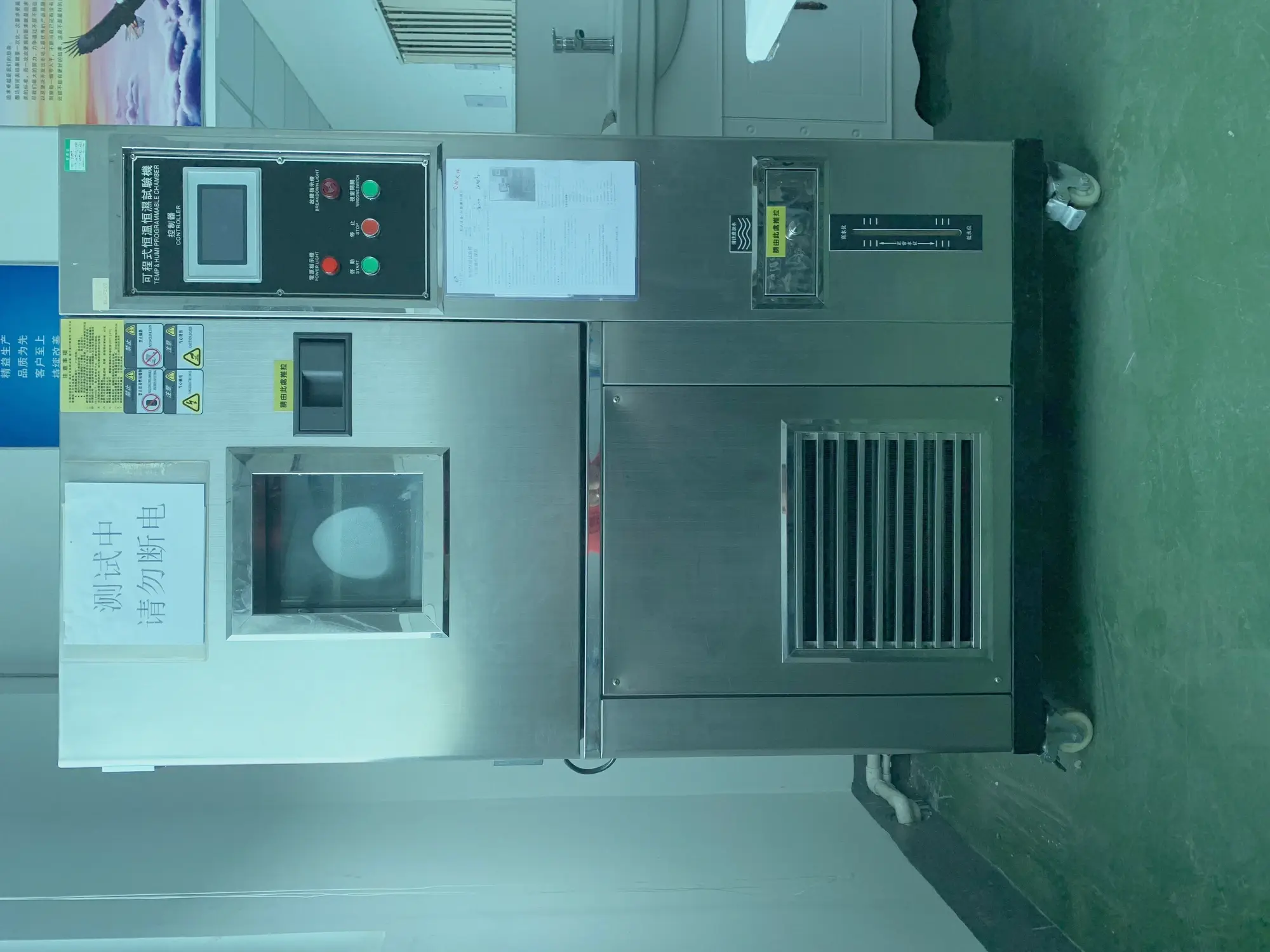
Injection molding, tufting and assembly sit within the same operation at the manufacturing base. Fit, component consistency and manufacturability can therefore be reviewed alongside functional requirements, rather than one stage after another.
Testing scope forms part of electric toothbrush OEM/ODM development, from product definition through production preparation. Product-specific validation should be settled with our electric toothbrush engineering capability team before sample approval.
Questions worth raising before sample approval and production release.
Written testing scope, responsibilities and who confirms acceptance criteria.
Sample identification, build configuration and the verification results tied to that build.
Approved sample reference, inspection plan and the specification used for release.
Inspection records, lot identification and handling of non-conforming output.
Final inspection scope, packaging condition and shipment records.
Notification process for component, material, tooling or process changes.
Manufacturing Overview — Injection molding, tufting and assembly within a 17,000+ m² partner facility.
Quality Control — Incoming materials, in-process checks, finished product inspection and records. electric toothbrush quality control process
Brush Head Quality Control — Molding, tufting, dimensional control and inspection for brush head programs. brush head quality control
OEM/ODM Development — Project definition, sample evaluation and production preparation. electric toothbrush OEM/ODM development