Start Your Electric Toothbrush Project
Tell us your product requirements and target market. We will review the details and reply with the relevant next steps.
Brush head manufacturing, tufting control and quality management for private label and OEM programs. Requirements cover molded components, bristle configuration, tufting consistency, dimensional accuracy, handle fit and production inspection.
Injection Molding · Tufting · Assembly · Quality Management · Testing Capability
The brush head is the contact component and the part the end user replaces. It is managed as a controlled component, not an accessory.
Quality here depends on more than appearance. It comes down to the molded part, the bristle specification, tufting consistency, interface dimensions, assembly fit and the records that connect them.
The partner manufacturing base was established in 2013 and operates a facility of more than 17,000 m², with 530+ employees and a 50+ member R&D team. Injection molding, tufting and assembly run within the same operation, so molded part geometry, bristle layout and interface fit are checked against one specification rather than three.
Brush head inspection sits within the broader electric toothbrush quality control process. The wider production scope is covered on our electric toothbrush manufacturing facility page.
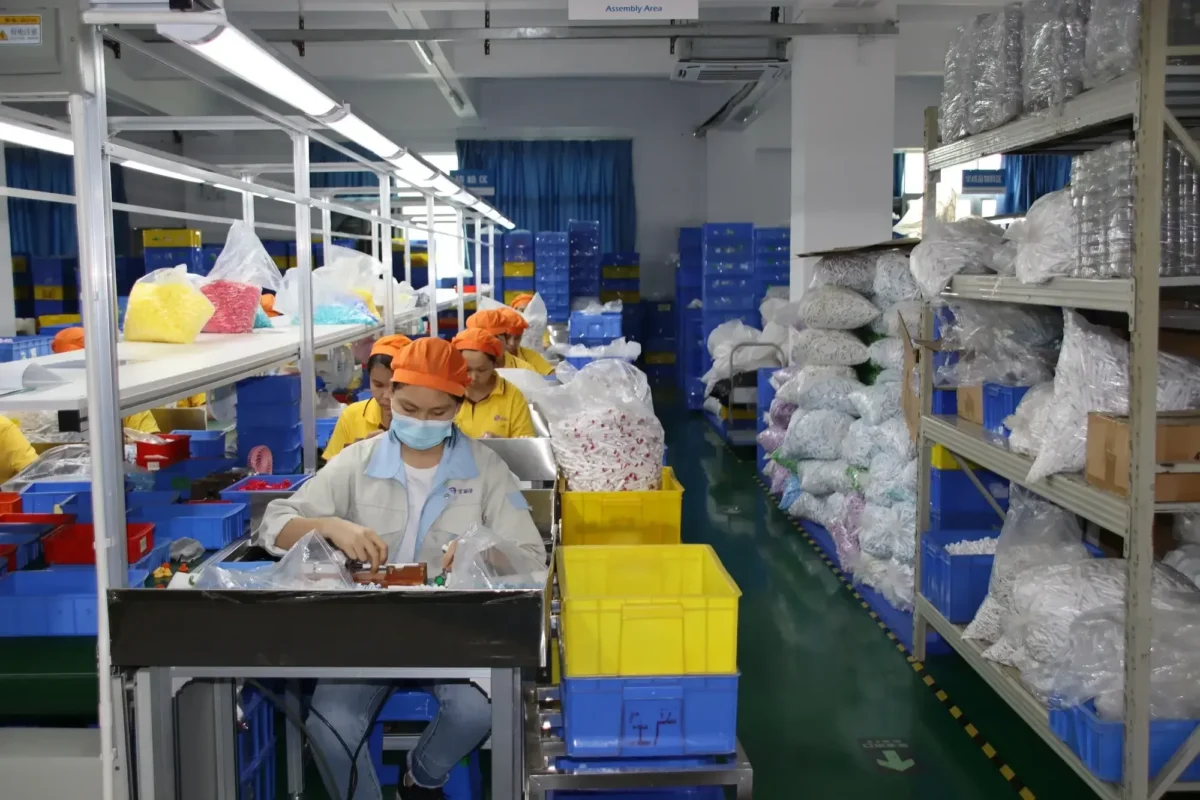
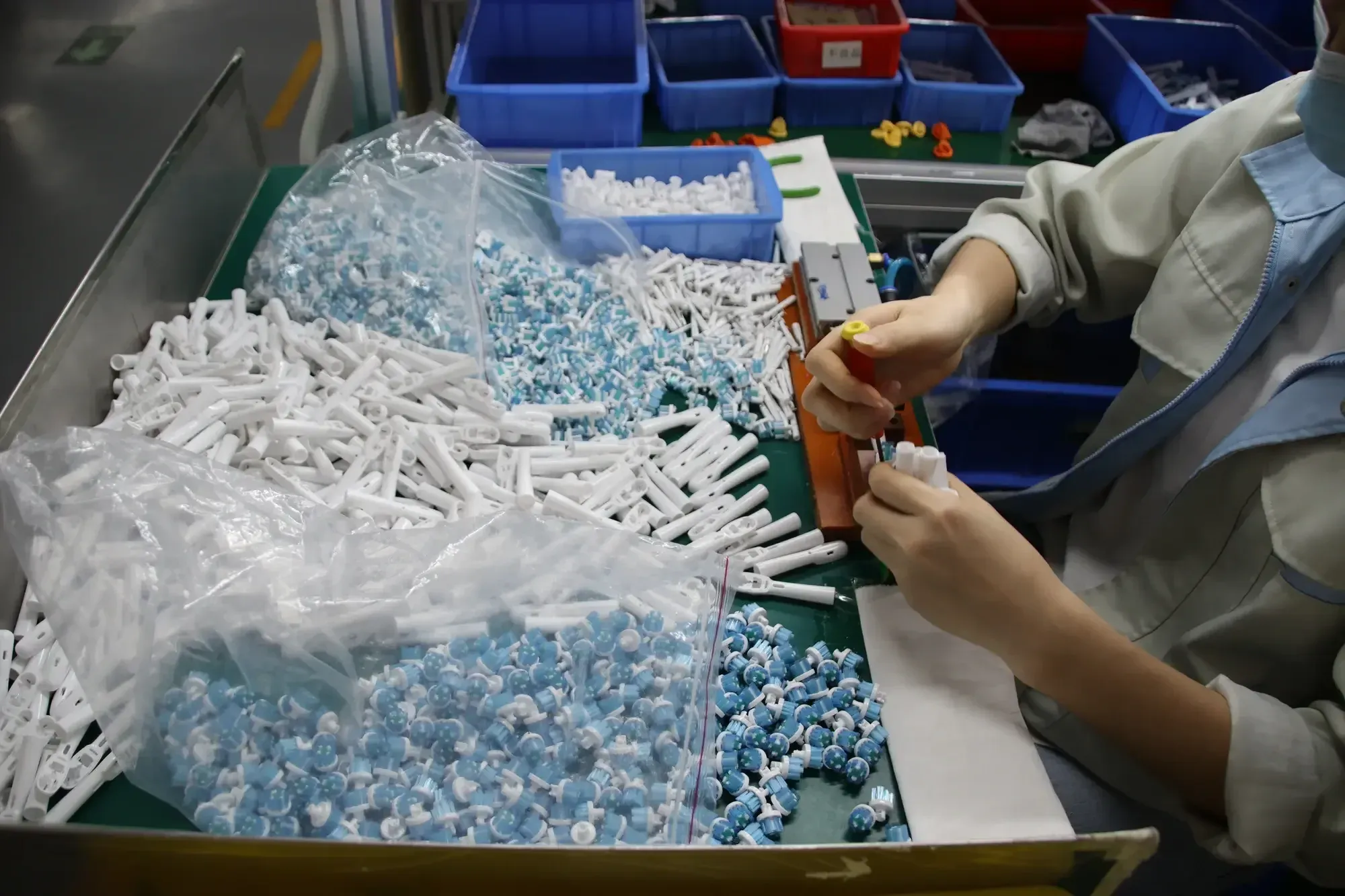
Brush head components are molded to project-defined geometry, material and color requirements. Molded parts are reviewed for surface condition, structural completeness and key interface features. These determine how the part behaves in tufting and how it seats on the handle.
Where the design calls for separate tuft-hole formation, hole position and geometry fall under dimensional control.
Tufting requirements are defined by bristle layout, tuft pattern, brush head design and the approved sample. Consistency here is what keeps appearance repeatable from one batch to the next.
Bristle retention requirements are set according to the brush head design, the tufting method and what the project needs to validate. For verification at product level, see our product testing and reliability support.
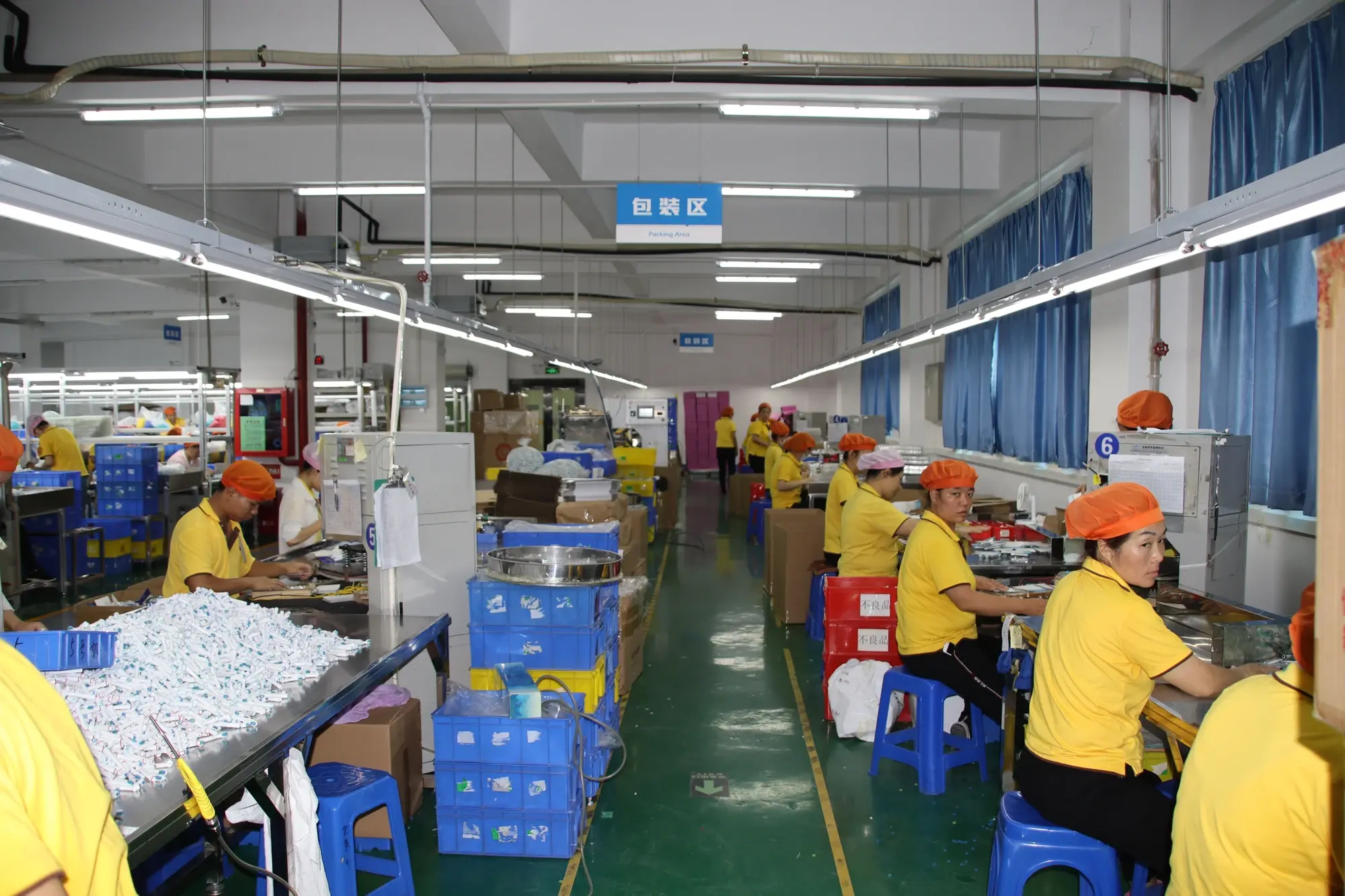
What is checked during production. Sampling method, acceptance criteria and defect references are set per project rather than applied as fixed rules.
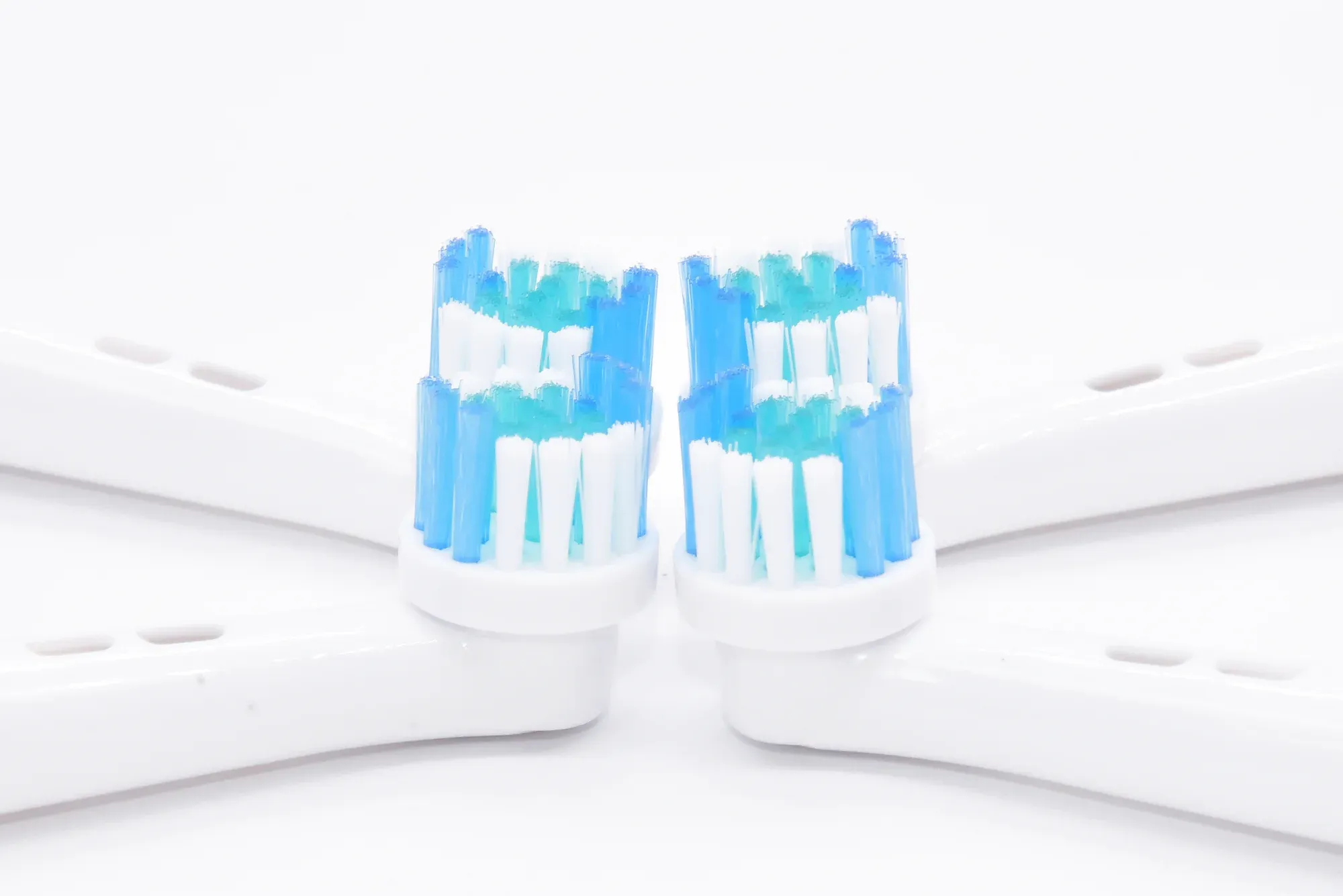
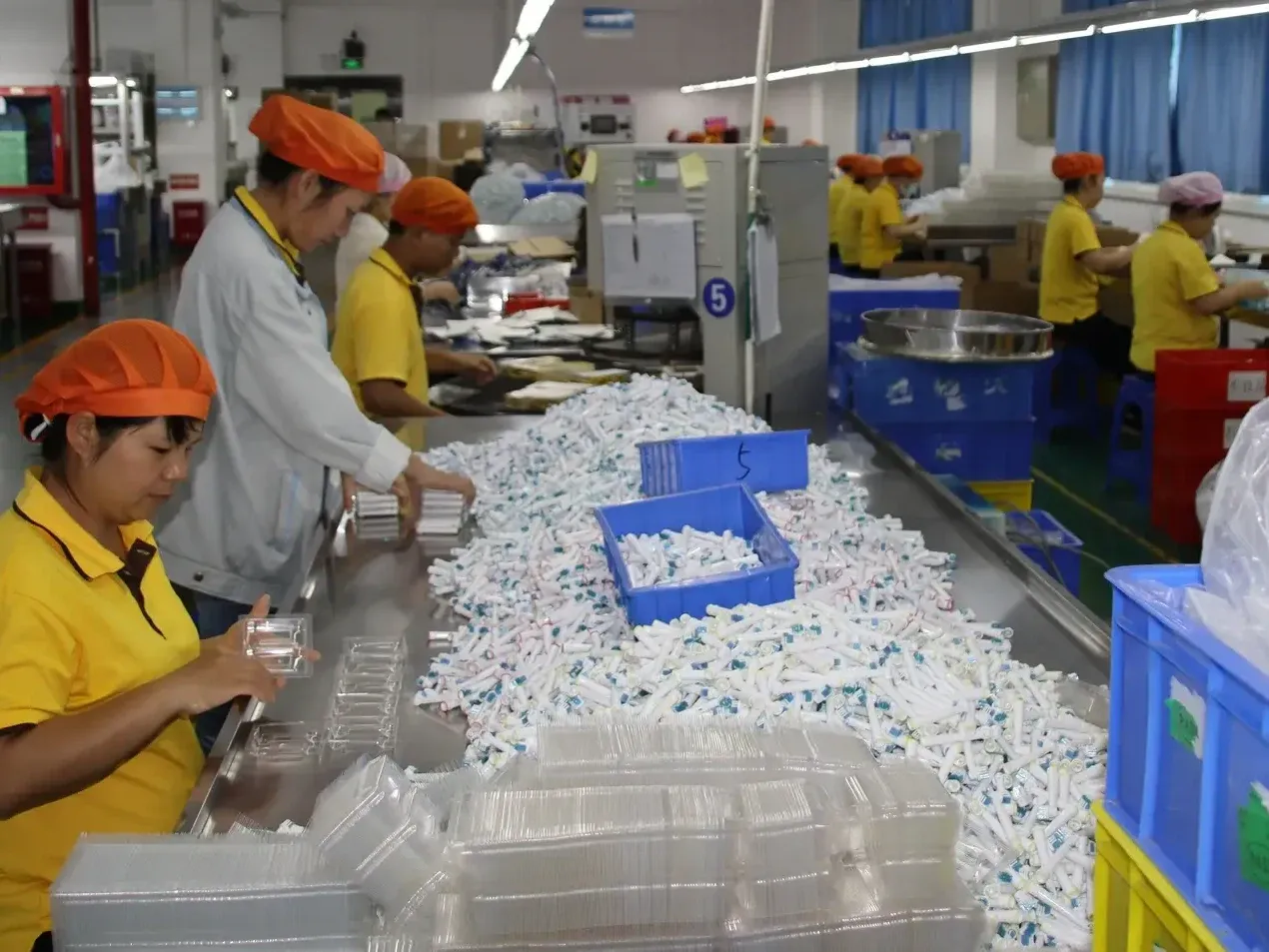
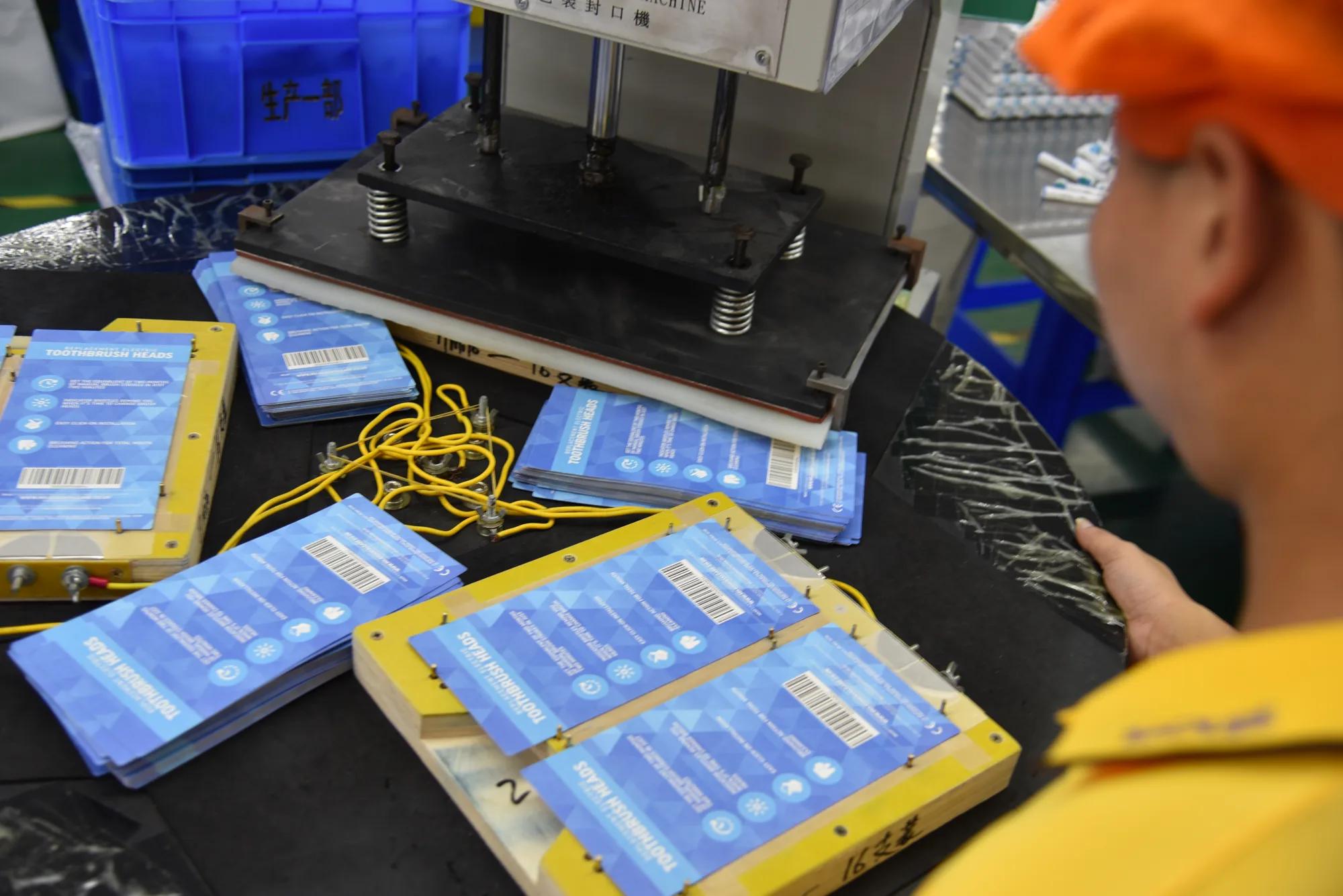
These checks operate within our broader electric toothbrush quality control process.
Key dimensions are checked against approved drawings and samples. The focus is the connection end, the overall brush head profile and, where the design uses them, tuft-hole positions. These features drive both tufting quality and handle compatibility.
Dimensional requirements are held at project level. A batch shipped next year is compared against the original reference, not against the last shipment.
Fit is verified against the handle platform the product is built for: insertion, positioning, removal and stability in use.
Connection geometry and fit requirements should be settled with our electric toothbrush engineering capability team during development, before sample approval.
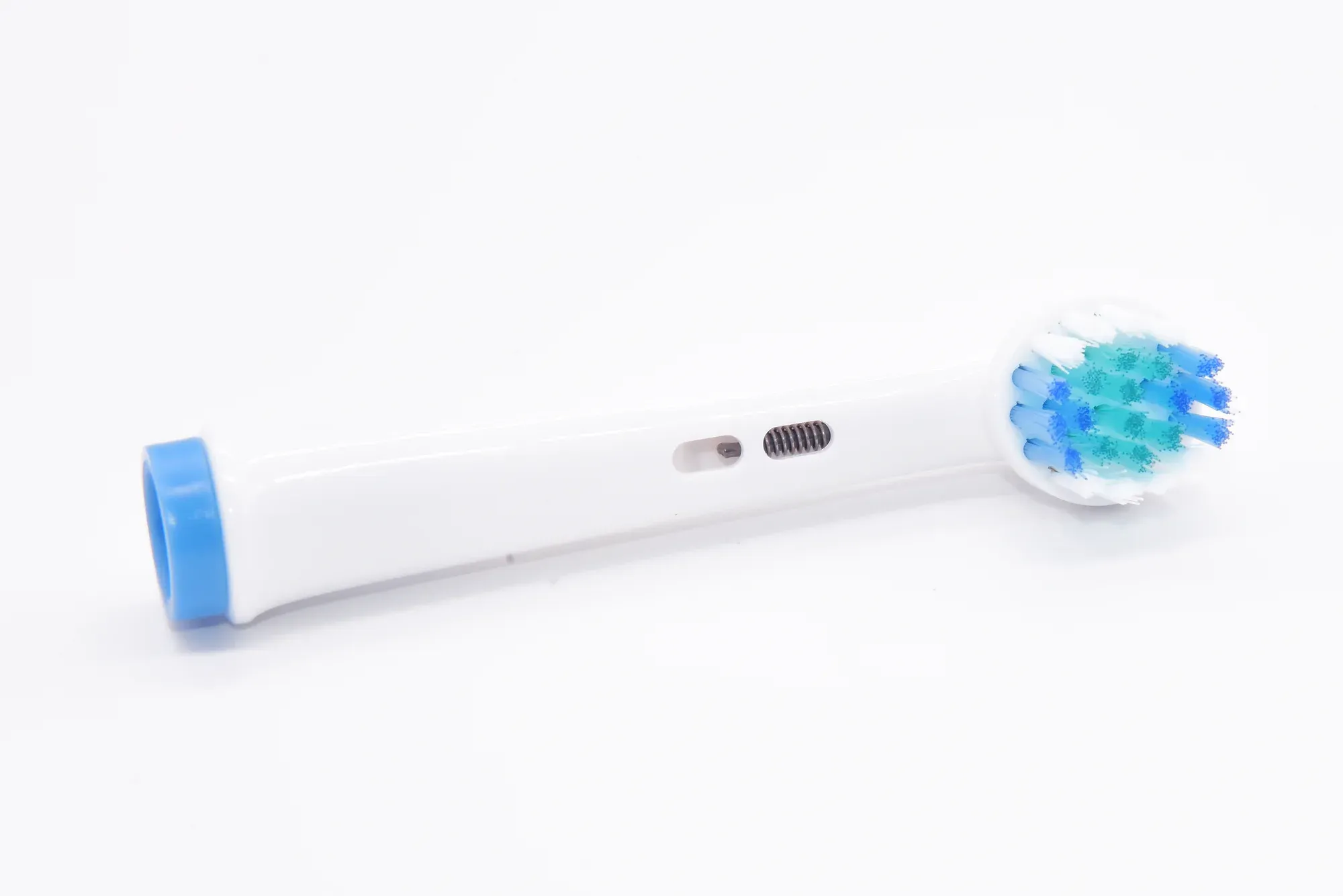
For replacement head programs, records are what allow a repeat order to be checked against the original approved reference.
For verification at product level, including handle, motor and reliability requirements, see our product testing and reliability support.
Buyers define brush head structure, bristle layout, color, packaging and inspection requirements during development. We review them against the intended handle platform, the target market and the brand’s positioning before samples are approved.
Once a sample is approved, that sample and its inspection criteria become the production reference. This is what keeps a customized brush head consistent between the development stage and later batches.
Brush head requirements form part of electric toothbrush OEM/ODM development, from design review through production preparation.
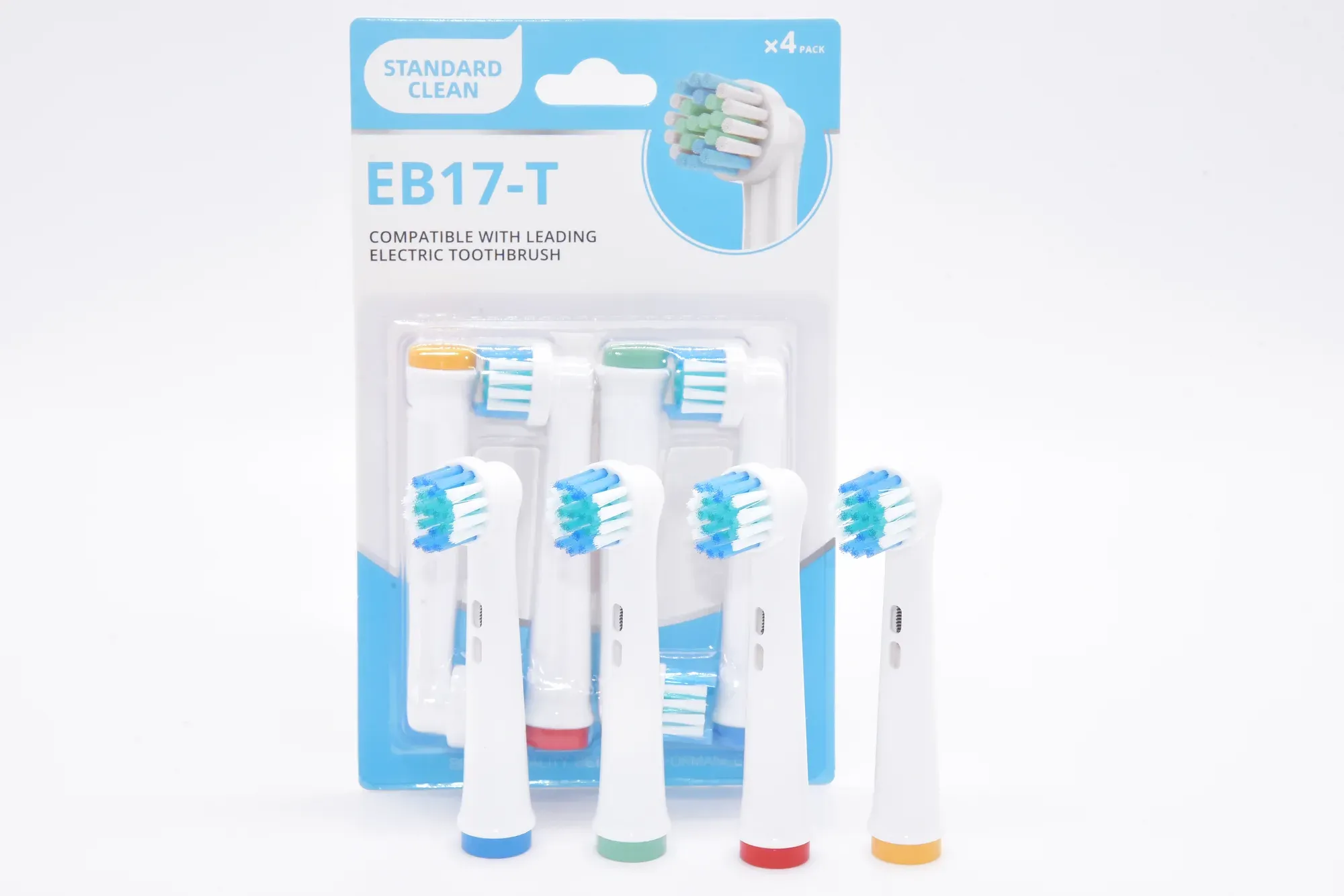
Questions worth raising when evaluating a brush head supplier.
Scope for a specific program is confirmed in writing during development.
Injection molding, tufting and assembly within a 17,000+ m² partner facility.
Incoming materials, in-process control, finished product inspection and records.
Product verification, reliability evaluation and quality documentation.
Project definition, sample evaluation and production preparation.