Start Your Electric Toothbrush Project
Tell us your product requirements and target market. We will review the details and reply with the relevant next steps.
AileCare supplies replacement electric toothbrush heads produced with in-house injection molding, tufting, bristle end-rounding and assembly at the partner manufacturing base, supported by automated assembly and packaging for applicable programs.
Replacement electric toothbrush heads move through a defined manufacturing sequence: product and interface definition, injection molding of the brush-head body, filament tufting, trimming and bristle end-rounding, assembly, manufacturing inspection and packaging. The exact production route depends on the brush-head structure, compatibility platform, filament configuration and project requirements.
Brush-head manufacturing begins with the product specification. Before tooling and production planning are confirmed, the project requirements define the structure, interface, tuft field and packaging configuration.
| DEFINITION POINT | WHAT IS CONFIRMED |
|---|---|
| Compatibility platform | The electric toothbrush platform the replacement head is intended to fit |
| Head geometry | Head shape, size and overall structure |
| Interface | Connection structure between the brush head and handle |
| Tuft layout | Tuft-hole positions and arrangement |
| Filament configuration | Filament type, colour and required finished profile |
| Materials and colour | Housing and filament specifications applicable to the project |
| Tooling | Whether existing tooling can be used or new development is required |
| Packaging | Pack format, unit count and printed packaging requirements |
Where an existing brush-head structure and tooling can support the required project, development can focus on the available filament, colour, branding and packaging options confirmed for that platform.
Changes to head geometry, interface structure or tuft-hole layout may require structural engineering, new tooling and production validation before mass production.
For the broader development workflow, see OEM / ODM Development.
The molded component establishes key product features including:
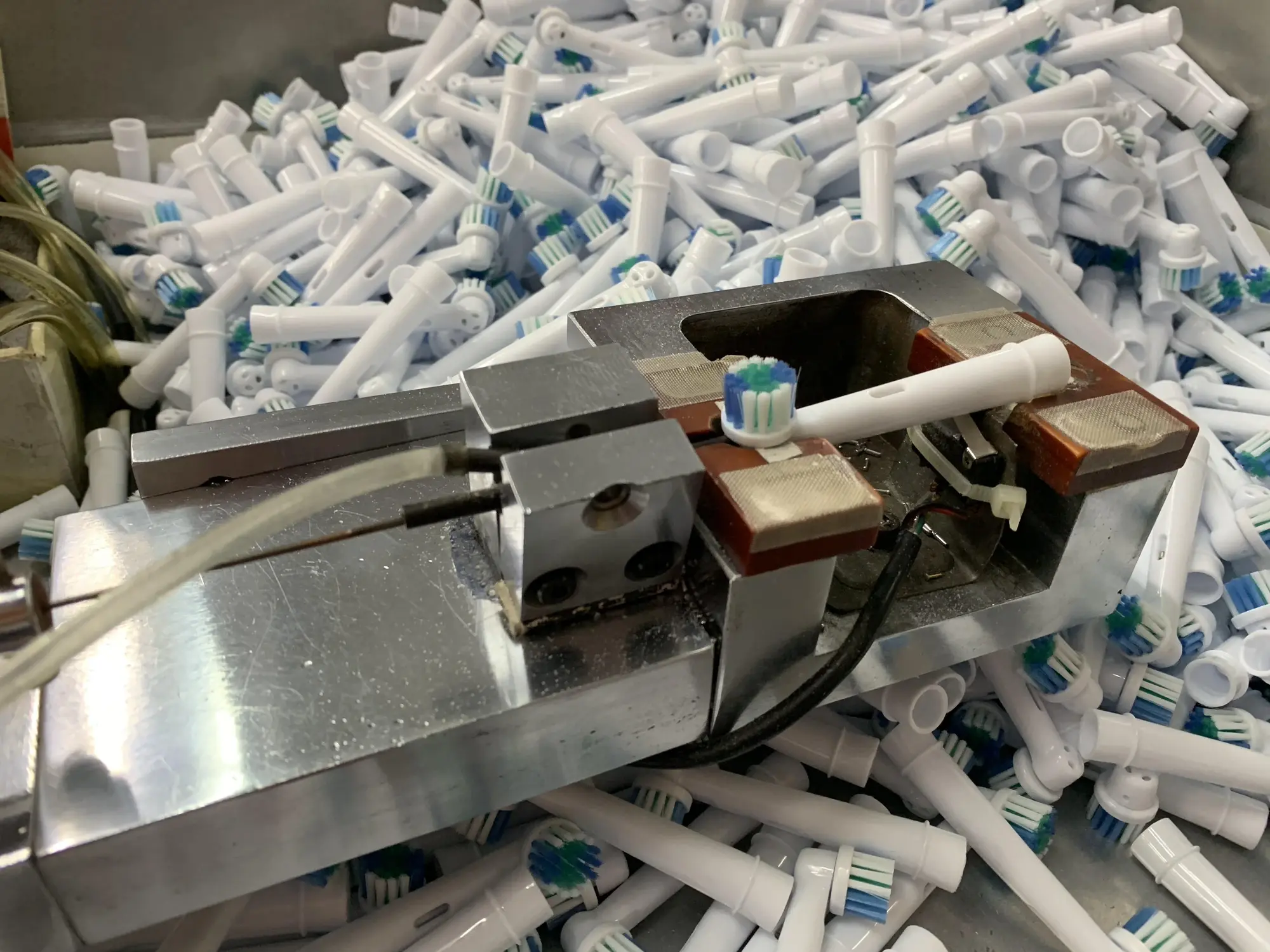
The manufacturing base has in-house brush-head injection molding capability, allowing the molded head structure to be managed alongside subsequent tufting and assembly operations.
For compatible replacement heads, dimensional consistency is especially important around the connection structure because the molded interface must correspond with the specified handle platform.
Molding requirements are therefore evaluated together with the downstream tufting, assembly and compatibility requirements of the project.
Tufting is one of the core processes in brush-head manufacturing. Filament bundles are inserted according to the approved tuft layout and brush-head structure.
Manufacturing variables can include:
The applicable tufting method depends on the brush-head design and project requirements.
The manufacturing base has in-house tufting capability as well as copper-free tufting capability for applicable brush-head programs.
Copper-free tufting is a manufacturing capability rather than a standard specification for every product. The appropriate production method is confirmed according to the selected brush-head structure.
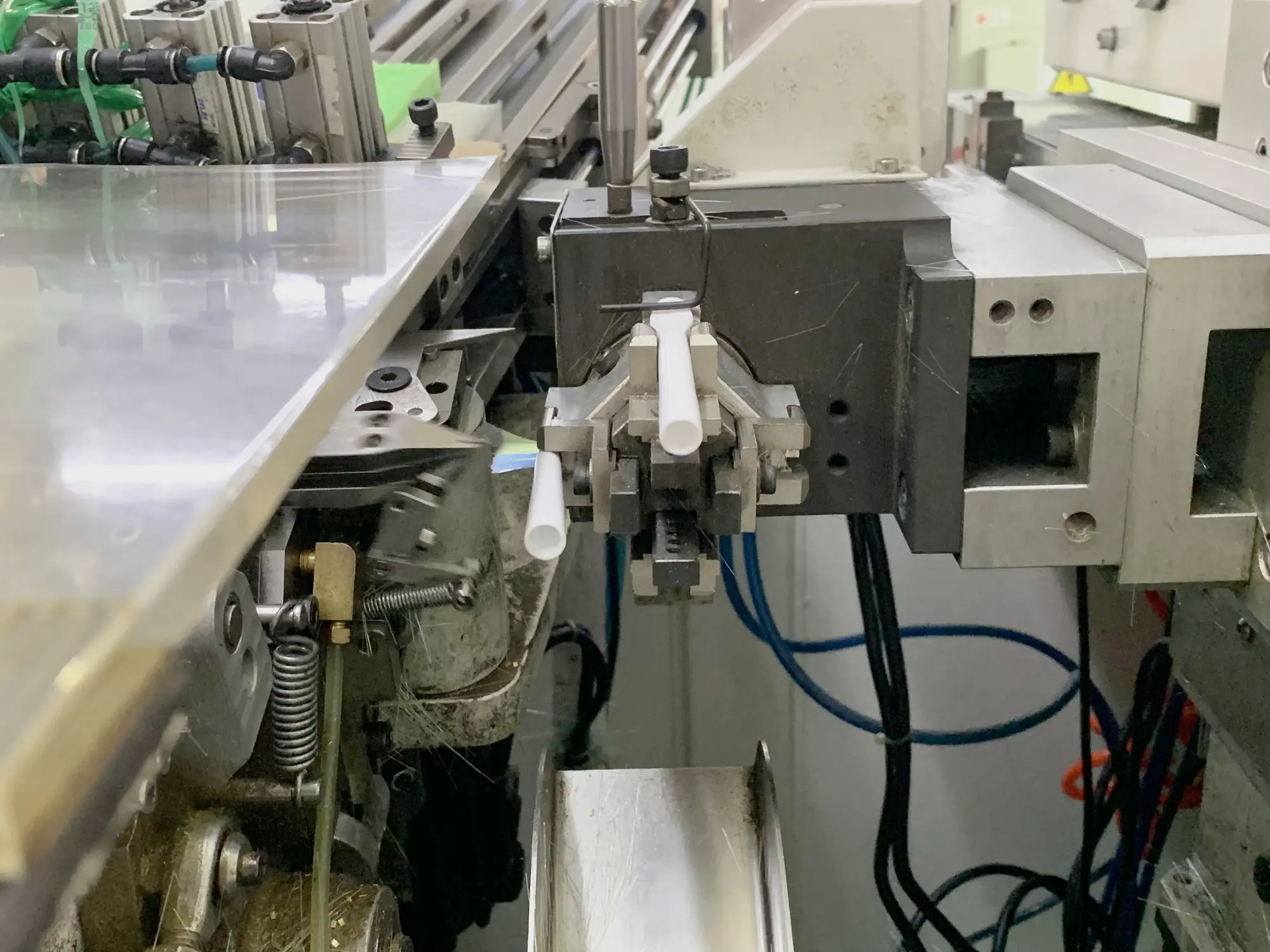
After tufting, the bristle field requires finishing according to the approved product configuration.
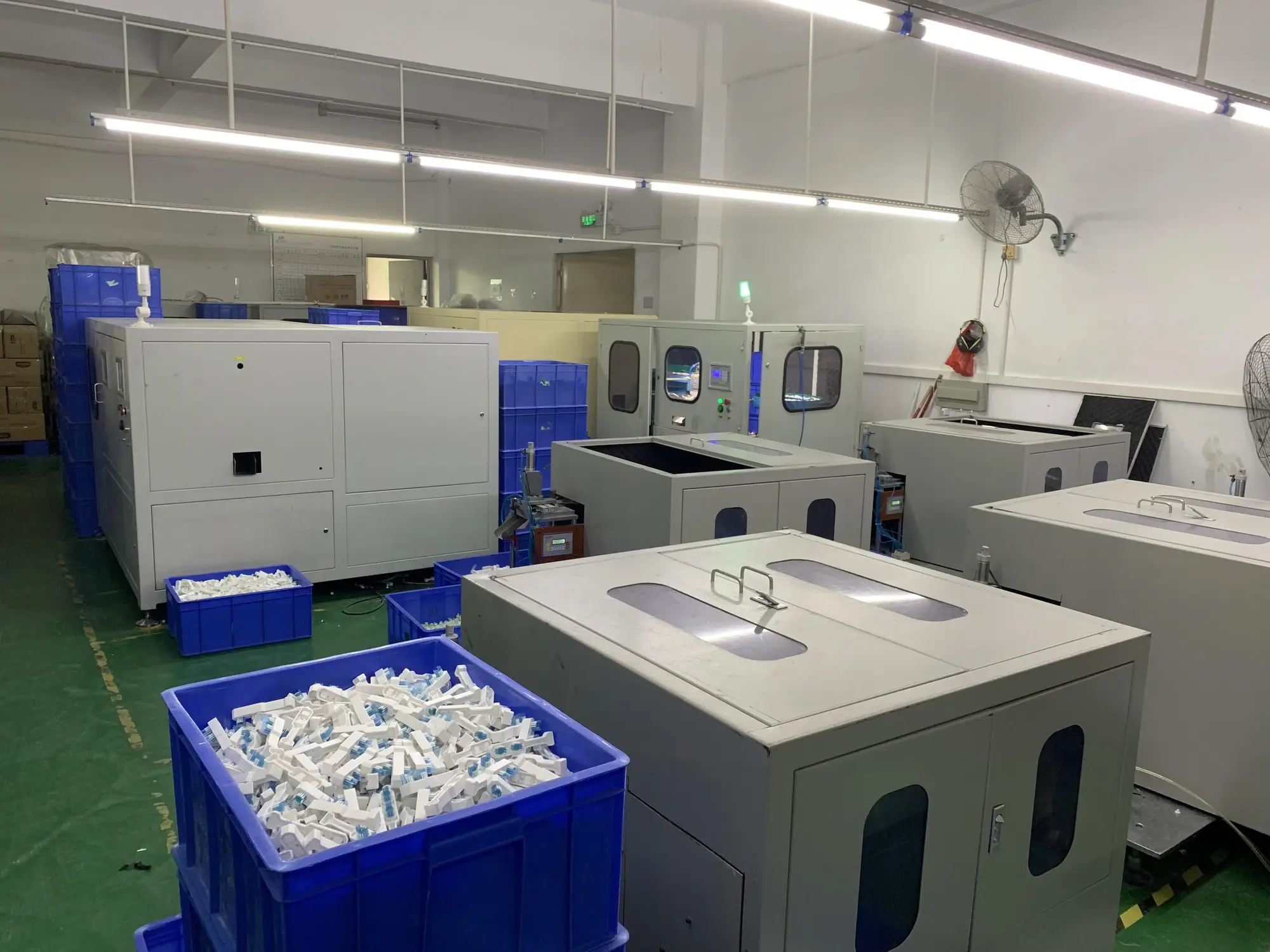
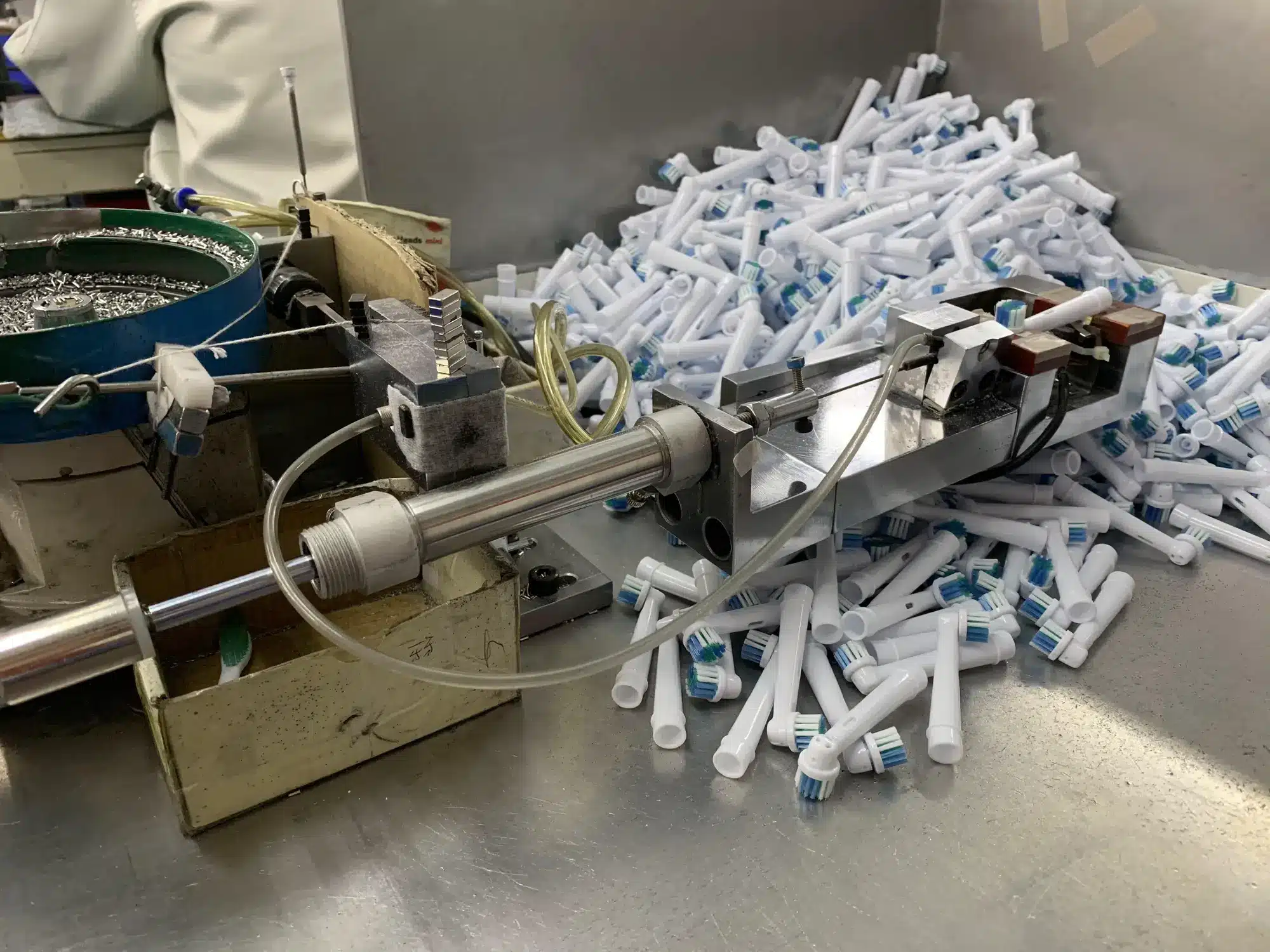
Bristle finishing equipment
Trimming controls the finished height and profile of the bristle field according to the brush-head specification.
The manufacturing base has a verified bristle end-rounding process. End-rounding is a controlled manufacturing and finishing step used to improve the consistency of the finished filament tips after trimming.
The required finishing method depends on the filament configuration and brush-head design. Bristle-detail inspection is also part of AileCare’s confirmed brush-head quality-control capability.
Detailed inspection requirements are covered under Brush Head Quality Control.
For compatible replacement brush heads, the connection interface is a functional part of the product rather than simply an external design feature.
The interface must correspond with the specified powered-handle platform so that the head can be fitted and retained according to the agreed project requirements.
Manufacturing attention may include:
Compatibility is evaluated according to the specified platform and confirmed project requirements.
Where third-party platforms are referenced on product pages, AileCare uses compatibility wording to identify the intended application and does not represent compatible replacement heads as original, authorized or endorsed products of the third-party brand.
Browse Replacement Brush Heads.
Brush-head production continues beyond molding, tufting and bristle finishing.
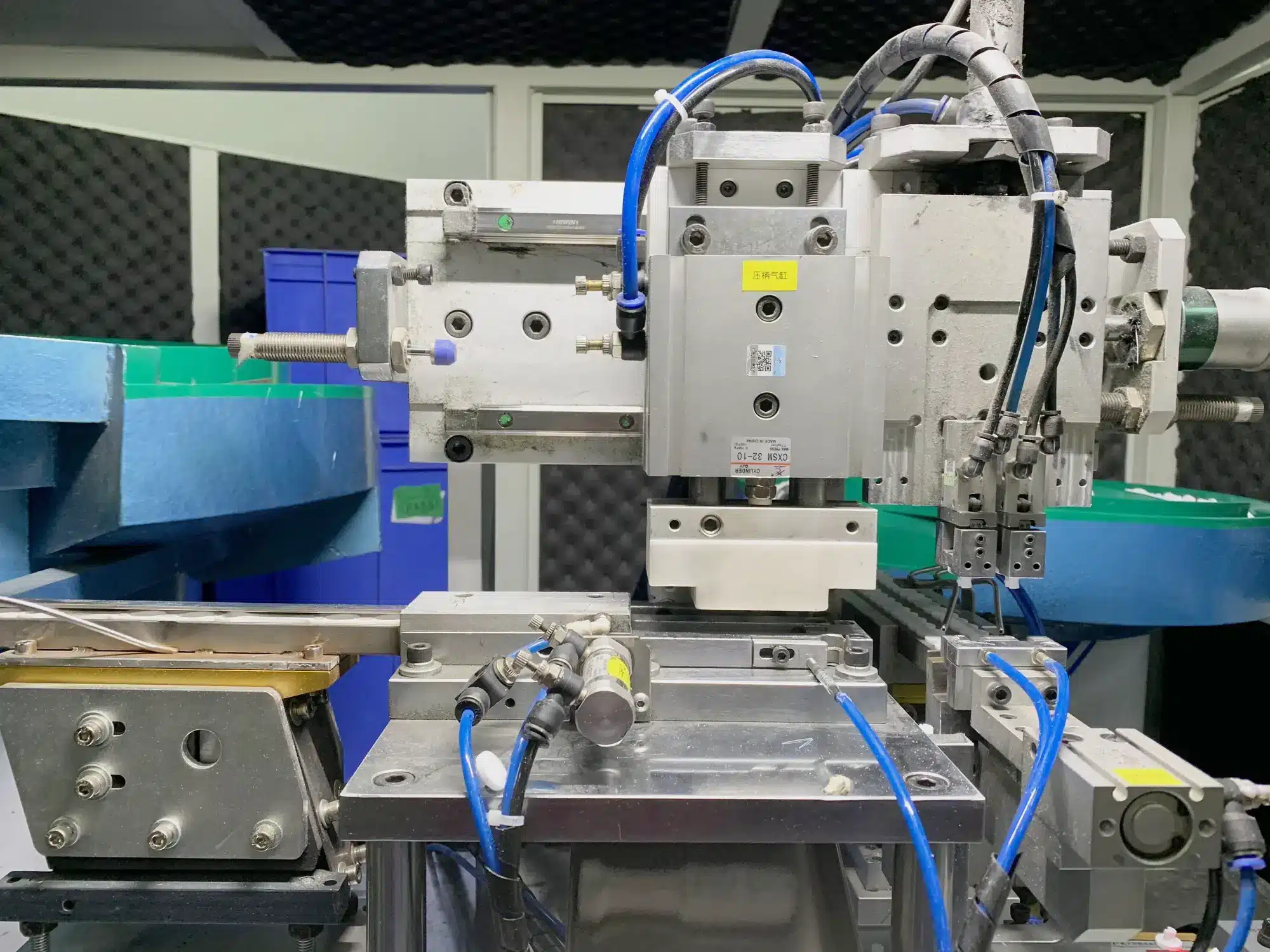
Automated assembly equipment for applicable brush-head production programs
The manufacturing base has automated assembly capability for applicable production programs.
The assembly configuration depends on the selected brush-head design and component structure.
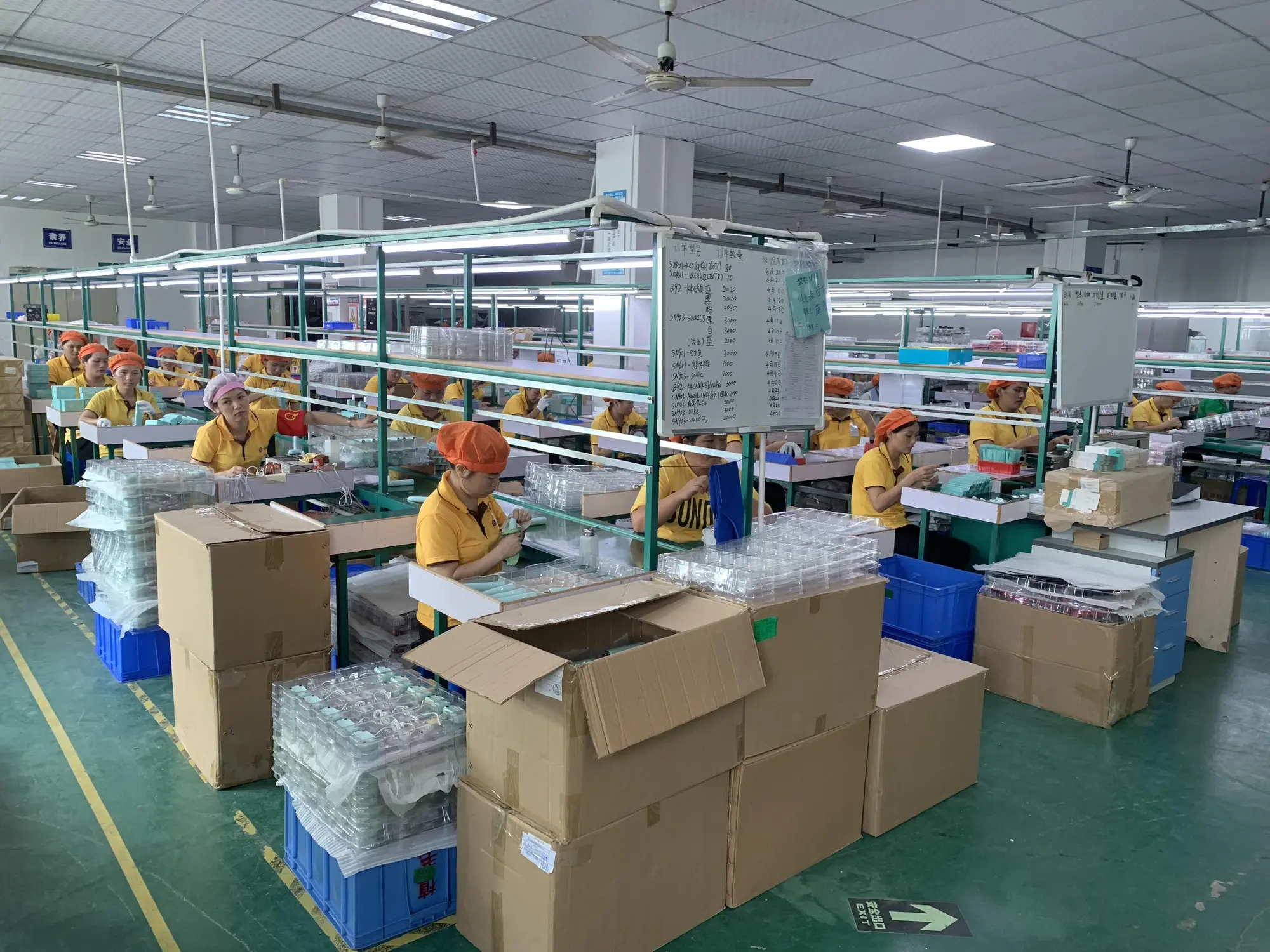
Inspection is integrated into brush-head manufacturing to verify the product against the confirmed production specification.
Relevant manufacturing inspection capabilities include:
This page provides only the manufacturing-level overview.
Detailed brush-head inspection requirements are covered on Brush Head Quality Control, while broader functional and durability evaluation is covered under Product Testing & Reliability.
AileCare supports both existing-platform projects and new brush-head development.
Where an existing brush-head structure can meet the project requirements, available customization may include project-specific options such as:
The exact available scope depends on the selected brush-head platform.
Projects requiring structural changes may involve:
The development scope is evaluated according to the buyer’s drawings, samples, target compatibility platform and product requirements.
See Electric Toothbrush OEM / ODM for the broader development process.
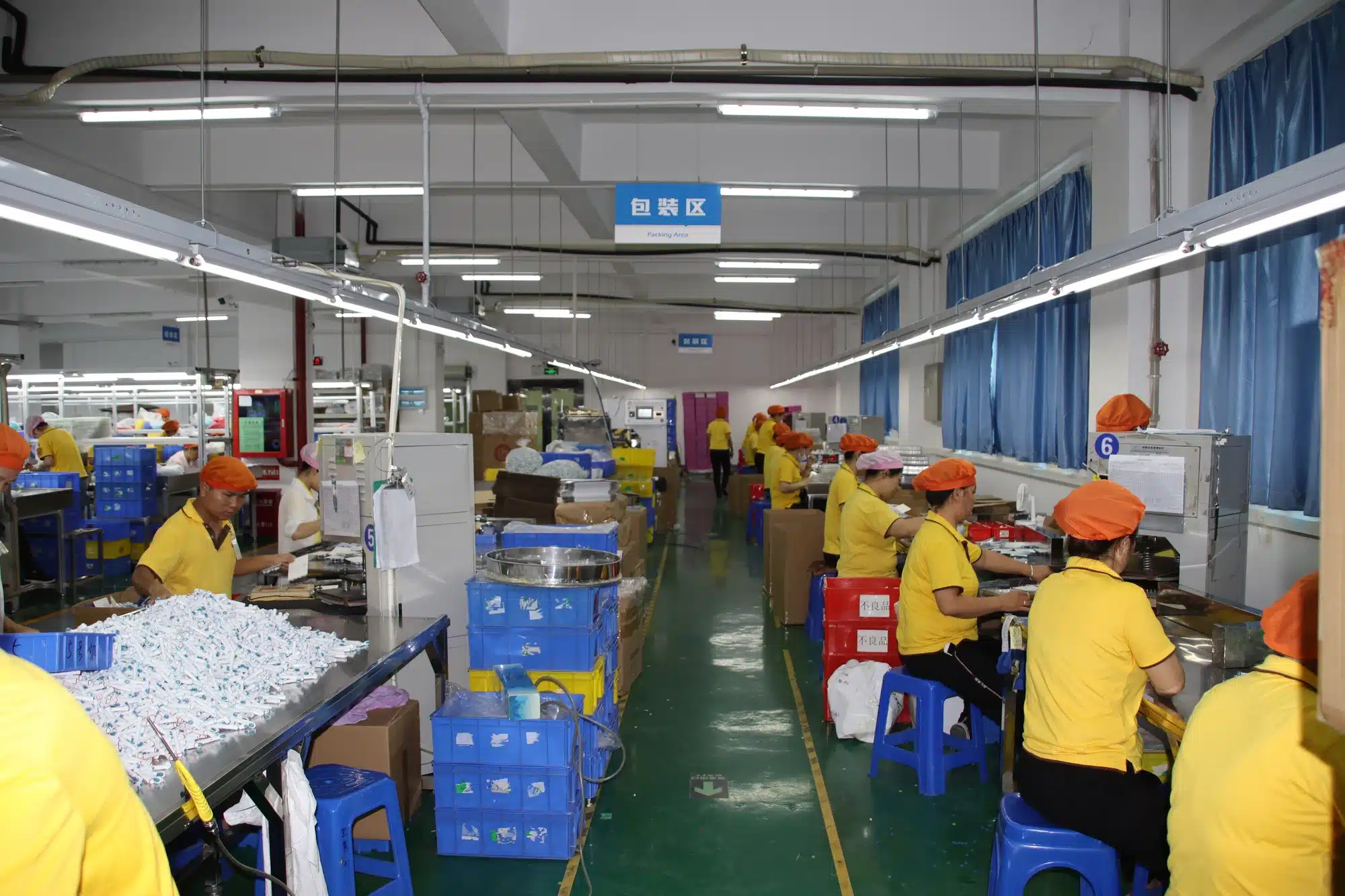
The partner manufacturing base combines brush-head molding, tufting, finishing, assembly and packaging capabilities for B2B supply and OEM / ODM projects.
| Annual brush-head capacity | Approx. 120M |
| Brush-head injection molding | In-house |
| Tufting | In-house |
| Bristle finishing | Bristle end-rounding capability |
| Tufting options | Copper-free tufting capability |
| Assembly | Automated Assembly capability |
| Packaging | Automated packaging capability |
The manufacturing base was established in 2013 and covers more than 17,000+ m², with 530+ employees and a 50+ R&D team supporting R&D, engineering, injection molding, quality, tufting and assembly functions.
For broader factory capability, see Manufacturing Overview.
In-House Tufting
Automated Assembly
Manufacturing Inspection
Replacement brush heads move through product and interface definition, brush-head-body injection molding, filament tufting, trimming and bristle end-rounding, assembly, manufacturing inspection and packaging. The exact route depends on the selected brush-head structure and project specification.
Yes. In-house brush-head tufting, including copper-free tufting, is available at the manufacturing base for applicable projects. The selected tufting method depends on the brush-head design and production requirements.
Filament colour and configuration can be evaluated according to the selected brush-head platform and available production structure. Changes that affect the existing tuft-hole layout or brush-head structure may require additional tooling or development.
Not necessarily. Projects based on an existing production platform may use existing tooling where the structure meets the required specification. Changes to head geometry, interface structure or tuft-hole layout may require new tooling and structural development.
Compatibility is defined according to the specified handle platform and project requirements. Connection geometry, seating, retention, alignment and relevant interface dimensions are considered as part of the product-development and manufacturing process.