Start Your Electric Toothbrush Project
Tell us your product requirements and target market. We will review the details and reply with the relevant next steps.
Annual output value exceeding RMB 300 million, backed by a partner manufacturing base established in 2013.
Scale matters to a buyer only against a specific project. Capacity above is stated as production capability, not as available allocation; volumes, scheduling and lead times are confirmed per project.
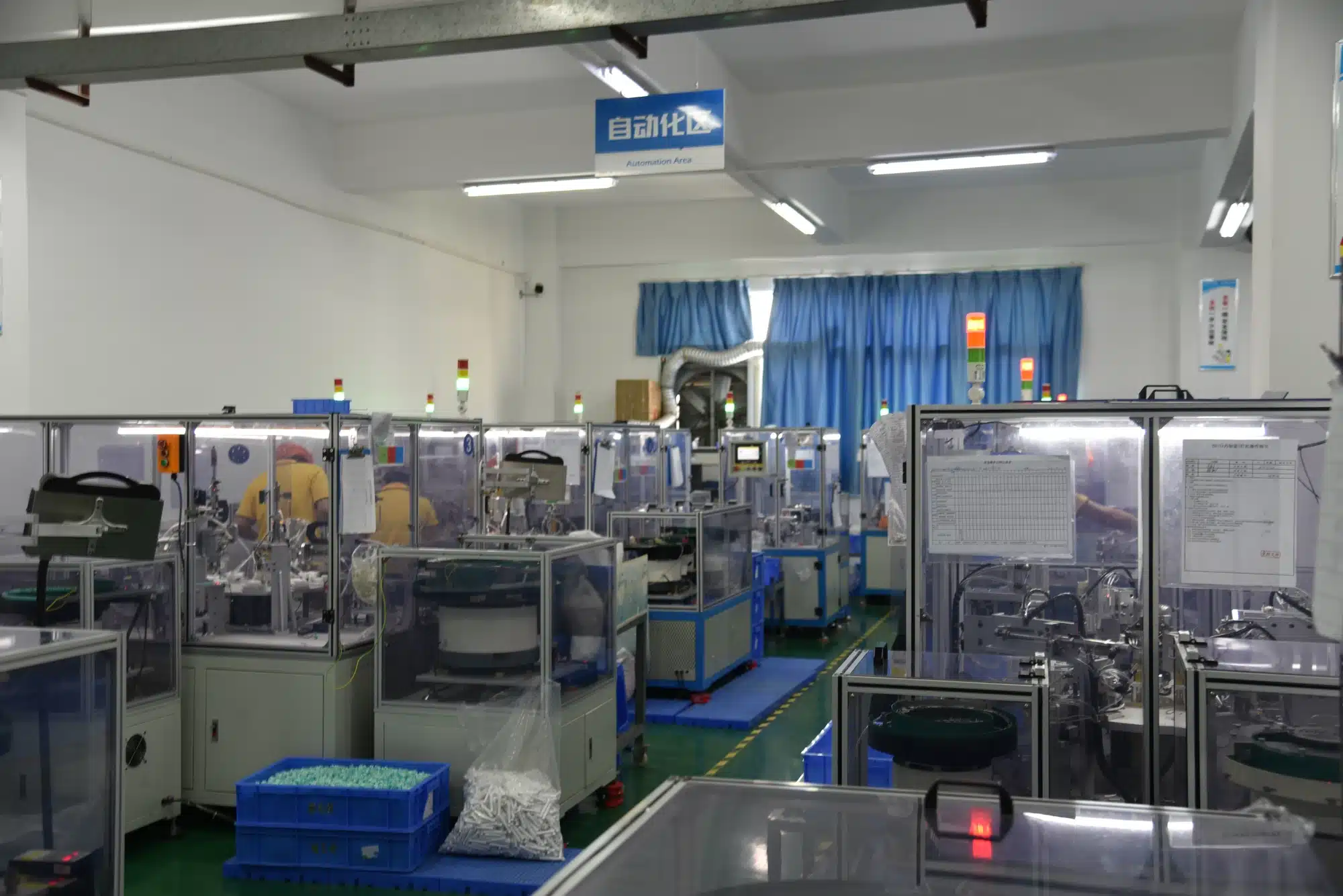
The manufacturing base covers the full production sequence in-house: ID design, electronic and structural design, mold development, injection molding, tufting, laser marking, assembly, testing and packaging.
Scope is defined by production stage rather than by claim. The stages listed under In-House Processes below are performed on the manufacturing base. Anything outside that list — including project-specific components and materials — is confirmed per project during scope review, not assumed. Product platforms are listed separately.
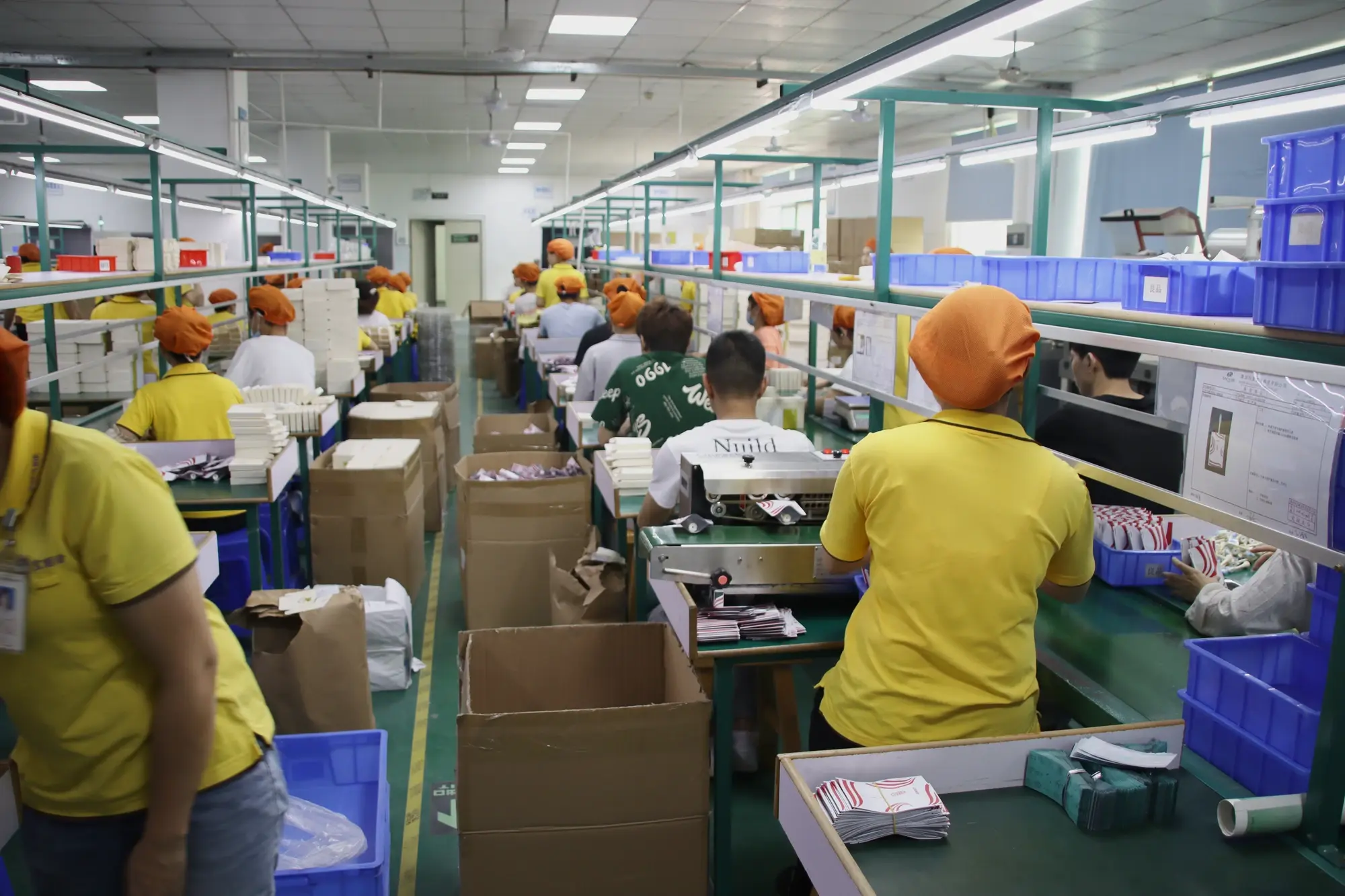
Complete devices move through electronic and motor integration, component and device assembly, final assembly, and applicable testing and packaging.
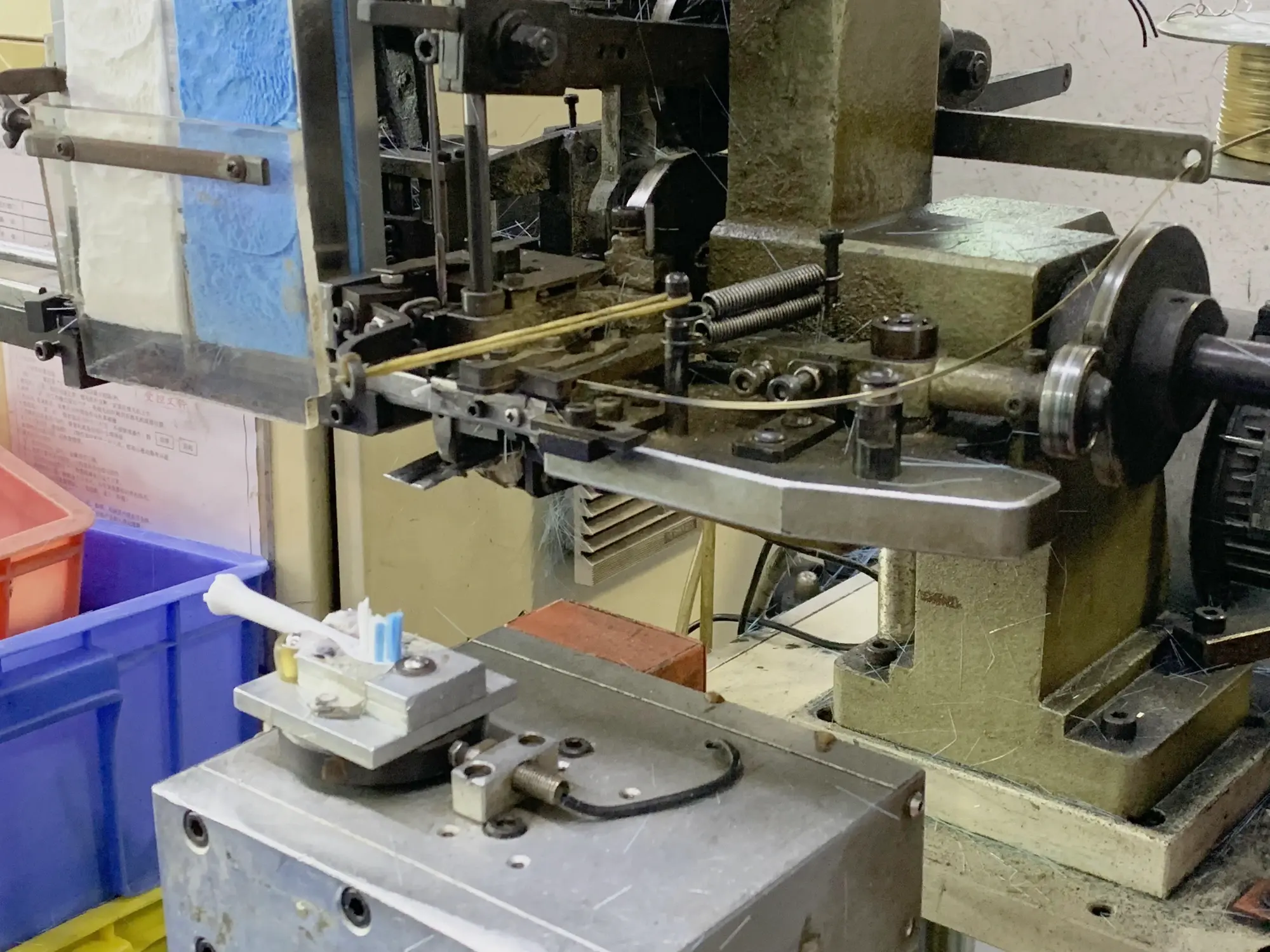
Replacement brush heads follow a separate route covering brush head injection molding, tufting, bristle end-rounding, and inspection and packaging.
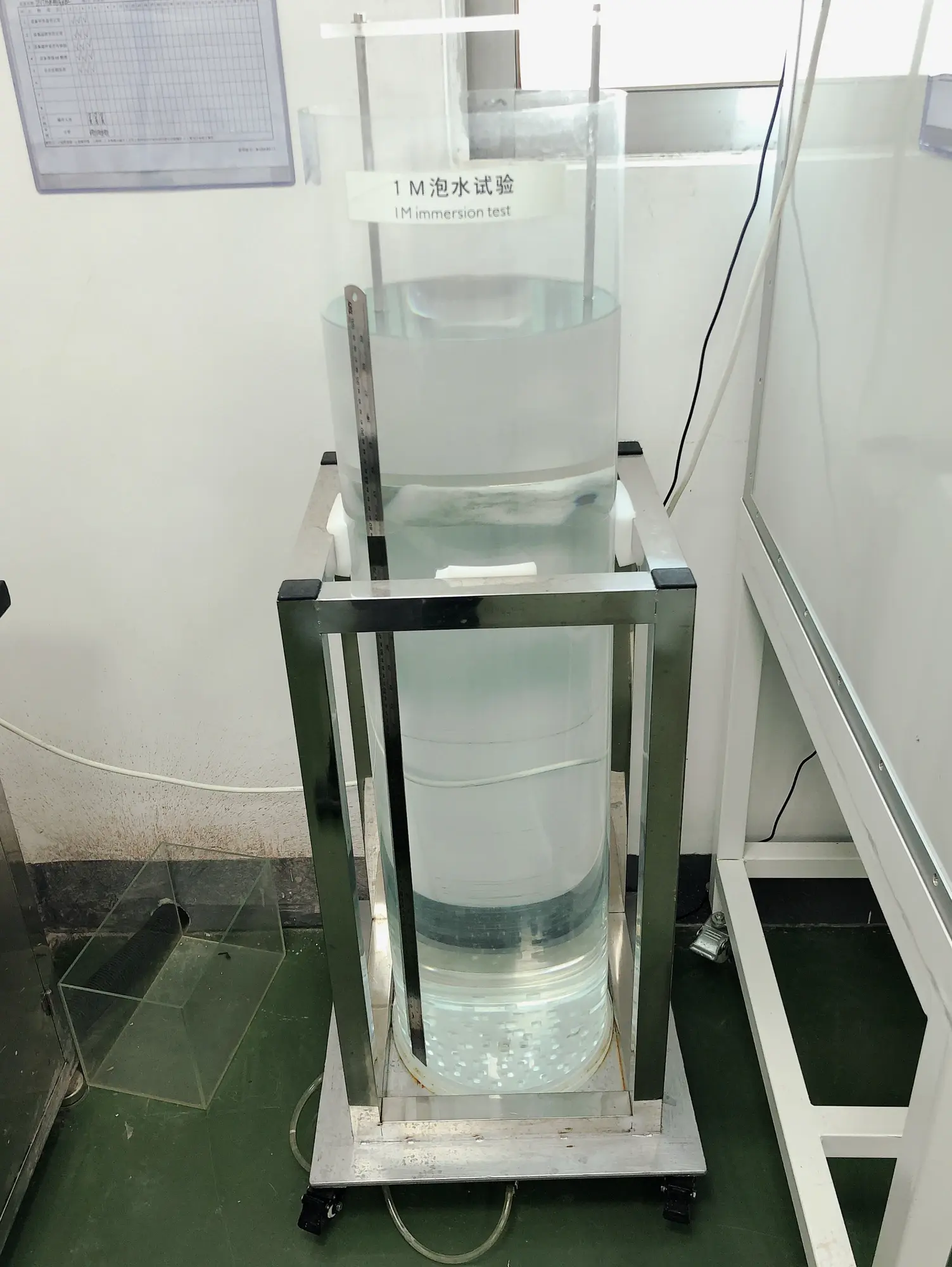
Testing is included in the verified manufacturing sequence. Detailed inspection and testing requirements are handled under the applicable quality and testing pages.
01
Selected stock products can start from 30 units for small trial orders. Product branding typically starts from 500 units, while fully customized packaging and colour projects generally start from 1,000 units.
02
Customized samples typically require around 7 days. Production lead time is generally around 35–40 days for standard project quantities, while larger-volume orders may require approximately 45–50 days.
03
Available documentation is reviewed according to the selected product, product configuration and destination market. Additional testing or market-specific documentation can be discussed based on project requirements.
Manufacturing begins before tooling. ID design and electronic/structural design are handled in-house.
Mold development is also in-house, so tooling and sample iterations sit within the verified manufacturing scope.
Once tooling and samples are confirmed, the project moves into the production sequence below.
The following stages are performed in-house on the manufacturing base:
| Stage | Scope |
|---|---|
| ID design | Product form and appearance design |
| Electronic / structural design | Electronic design and motor integration |
| Mold development | In-house mold development |
| Injection molding | Housing and component molding |
| Brush head injection molding | Brush head bodies |
| Tufting | Filament placement |
| Bristle end-rounding | Bristle finishing |
| Laser marking | Product and component marking |
| Assembly | Final assembly, including automated assembly |
| Packaging | Finished-goods packaging, including automated packaging |
Manufacturing routes are separated by product type, because critical components and process steps are not the same.
Testing is included in the verified manufacturing sequence. Detailed inspection and testing requirements are handled under the applicable quality and testing pages.
Test activities, inspection stages and certification scope are documented separately under the quality control system. This page covers manufacturing structure only.
ID design, electronic and structural design, mold development, injection molding, tufting, bristle end-rounding, laser marking, assembly and packaging are performed in-house. Components and materials outside these stages are confirmed per project rather than assumed.
Electric toothbrushes and replacement brush heads follow different production routes within the same manufacturing system, because their critical components and process steps differ. Device and brush head process detail are documented on the two product-specific manufacturing sub-pages.
Product development and mass production run within the same manufacturing system. ID design, structural design and mold development are completed in-house, so once samples are approved, the confirmed tooling and specifications move directly into the production sequence without transferring the project to an outside factory.