Start Your Electric Toothbrush Project
Tell us your product requirements and target market. We will review the details and reply with the relevant next steps.
AileCare supplies powered oral care devices, including electric toothbrushes, supported by engineering and production capabilities at the partner manufacturing base covering product development, mold development, injection molding, assembly, testing, laser marking and packaging.
Product architecture, molded components, internal assemblies and packaging requirements are considered together during development so that the confirmed design can be translated into production.
Powered oral care device manufacturing begins with ID, electronic and structural design, followed by mold development and injection molding for the required plastic components. The manufacturing base’s verified production sequence also includes laser marking, assembly, testing and packaging. The exact device architecture and manufacturing requirements depend on the selected product platform and confirmed project specification.
Manufacturing a powered oral care device begins before the assembly line.
Industrial design defines the external form, grip, control layout and overall product configuration.
Structural design translates that concept into a manufacturable architecture, establishing housing geometry, internal space, component interfaces and the features required for assembly.
Electronic design defines the control architecture according to the selected feature set and product platform.
Depending on the product architecture, development may also need to consider:
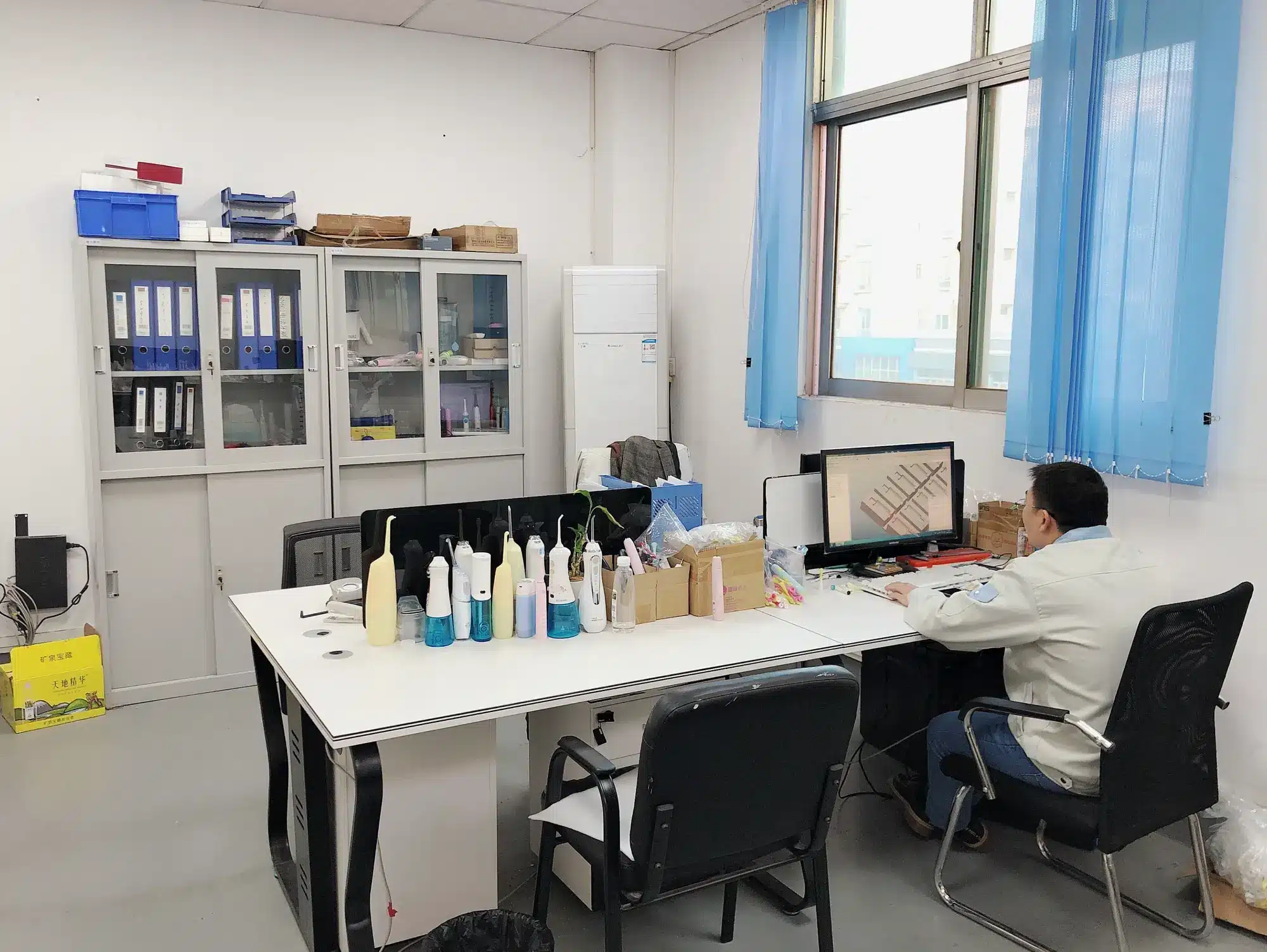
AileCare’s verified development sequence includes ID design, electronic design, structural design and mold development before the principal production stages begin. Core principle: manufacturability should be resolved before production tooling is released. For broader project development, see Electric Toothbrush OEM / ODM.
AileCare supports mold development and injection molding for powered oral care production. Molded components can include external housings and internal plastic parts required by the confirmed product structure.
Manufacturing considerations include:
Tooling decisions affect more than appearance. Molded components need to support downstream assembly, component positioning and the required exterior finish. This is why mold development is treated as part of the manufacturing plan rather than as an isolated upstream activity.

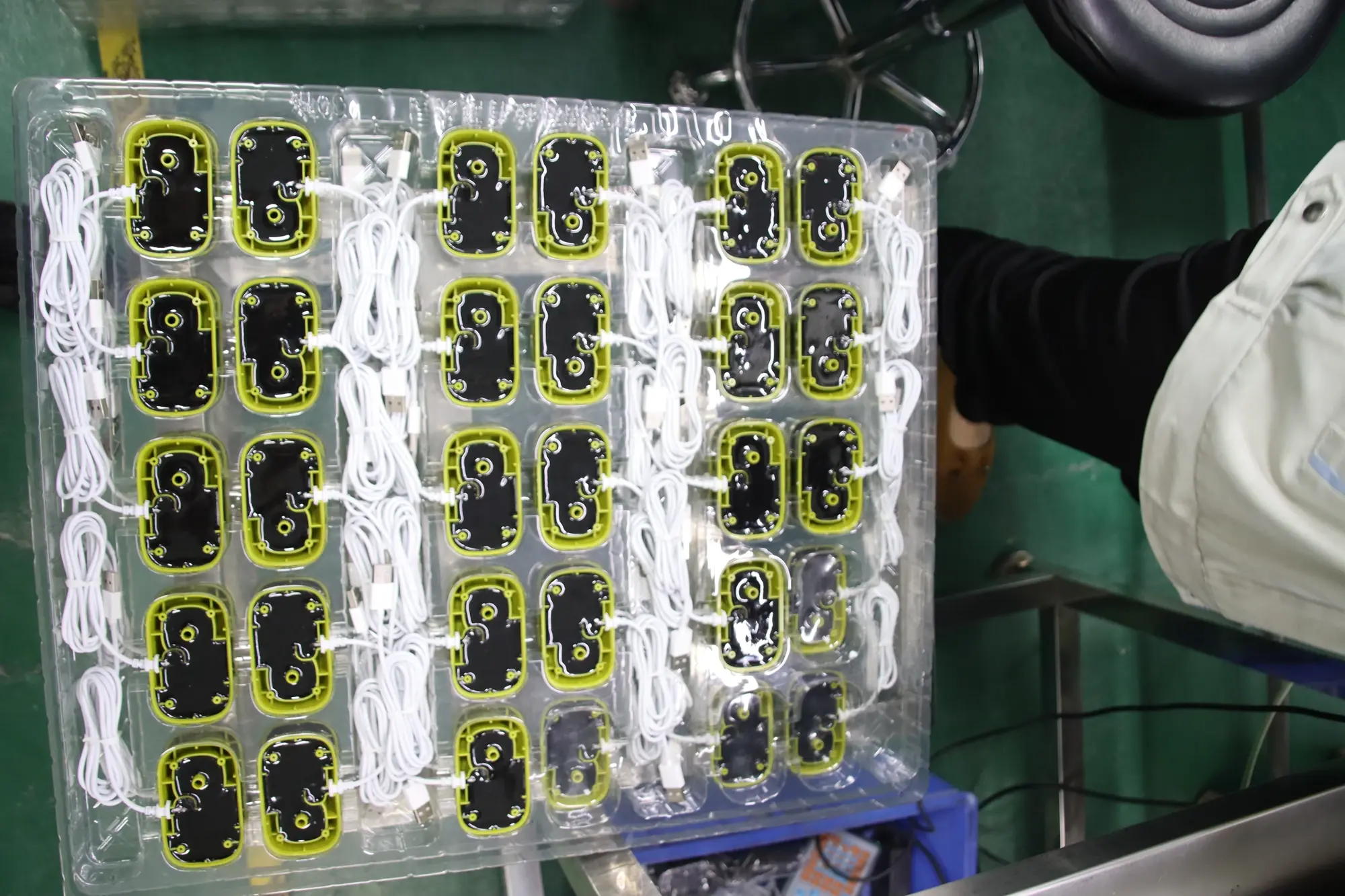
Powered oral care devices combine mechanical motion, control electronics and power-related components within a compact product architecture.
Depending on the selected platform, the internal configuration may involve:
Verified capabilities at the manufacturing base include electronic design, structural design, engineering, assembly and testing. The exact internal architecture and component-integration scope are confirmed according to the selected product platform and project requirements. Mechanical and electronic requirements therefore need to be considered together with the molded structure, available internal space and final assembly requirements. This page does not assume a single motor, drive, battery or charging architecture across all AileCare products.
Assembly brings the molded housing together with the confirmed internal components and final product configuration.
Manufacturing attention can include:
Housing and closure requirements are defined according to the selected product design, including sealing requirements where applicable. Laser marking is included in AileCare’s verified production sequence where required by the confirmed product configuration. The assembled product then moves into the applicable manufacturing inspection and packaging stages.
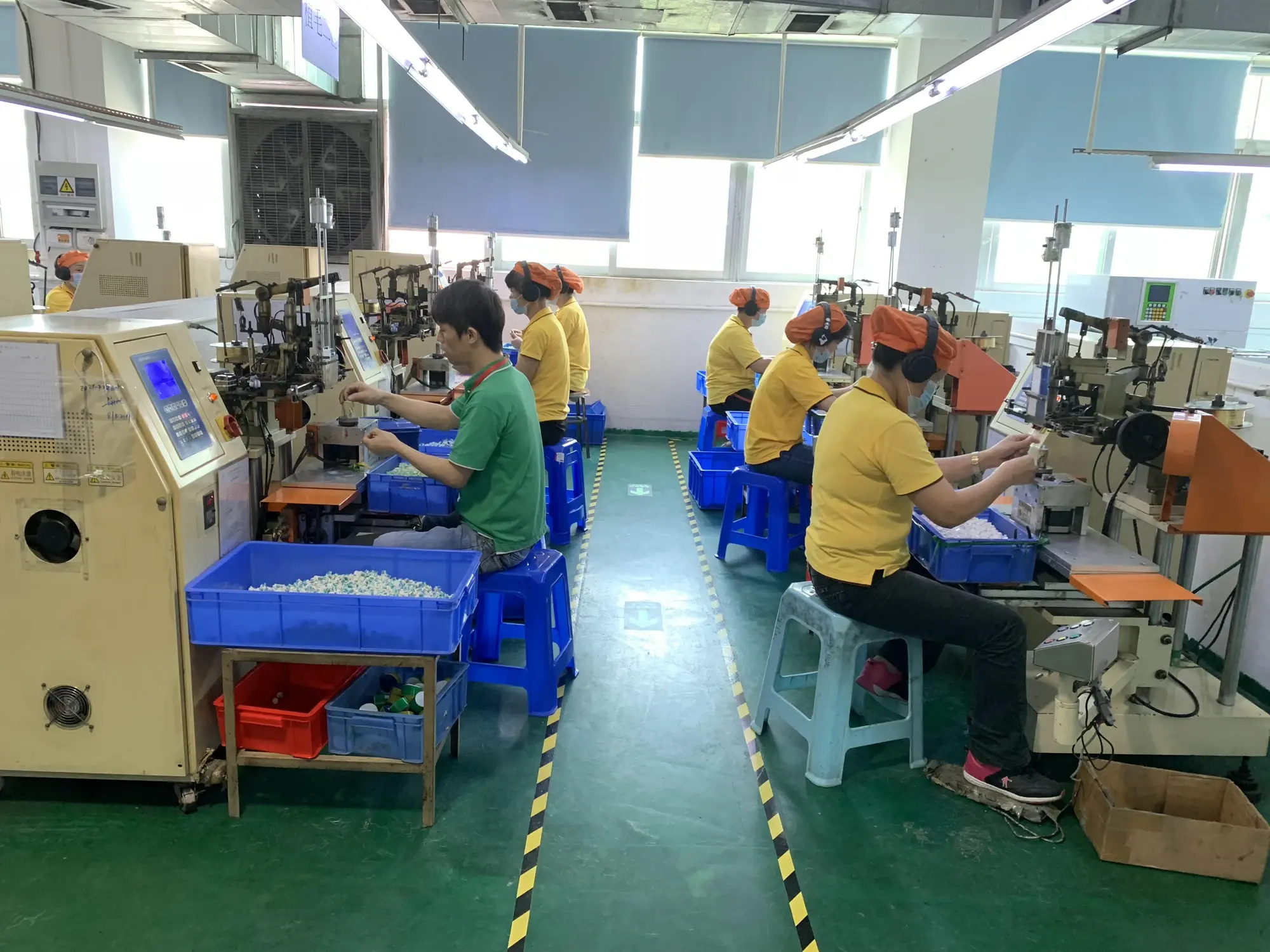
The manufacturing base has verified automated assembly capability and automated packaging capability for applicable production programs.
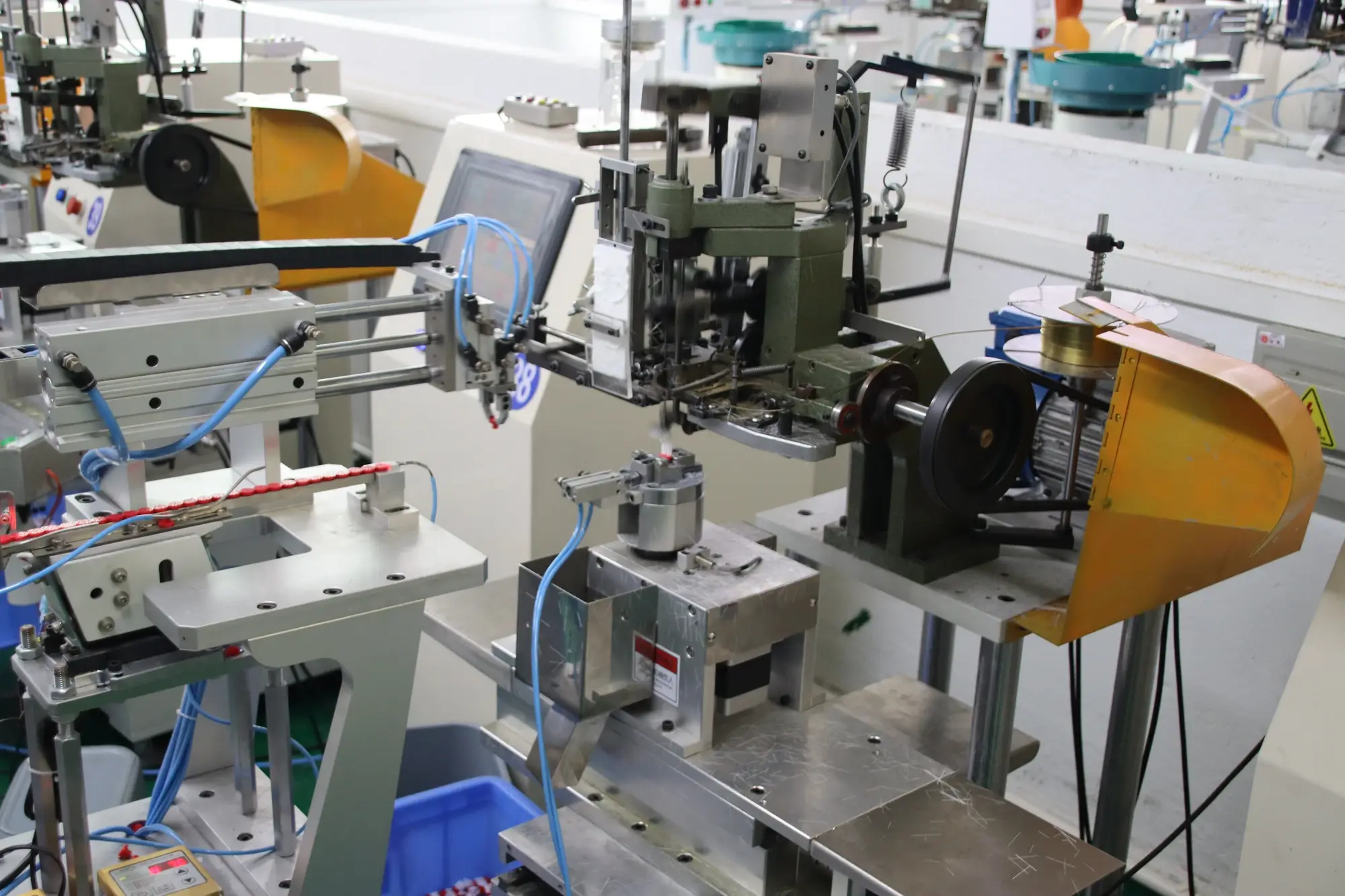
Automation can support repeatable handling, assembly execution and packaging according to the selected production program. The actual level and application of automation depend on the product architecture, production requirements and confirmed project scope.
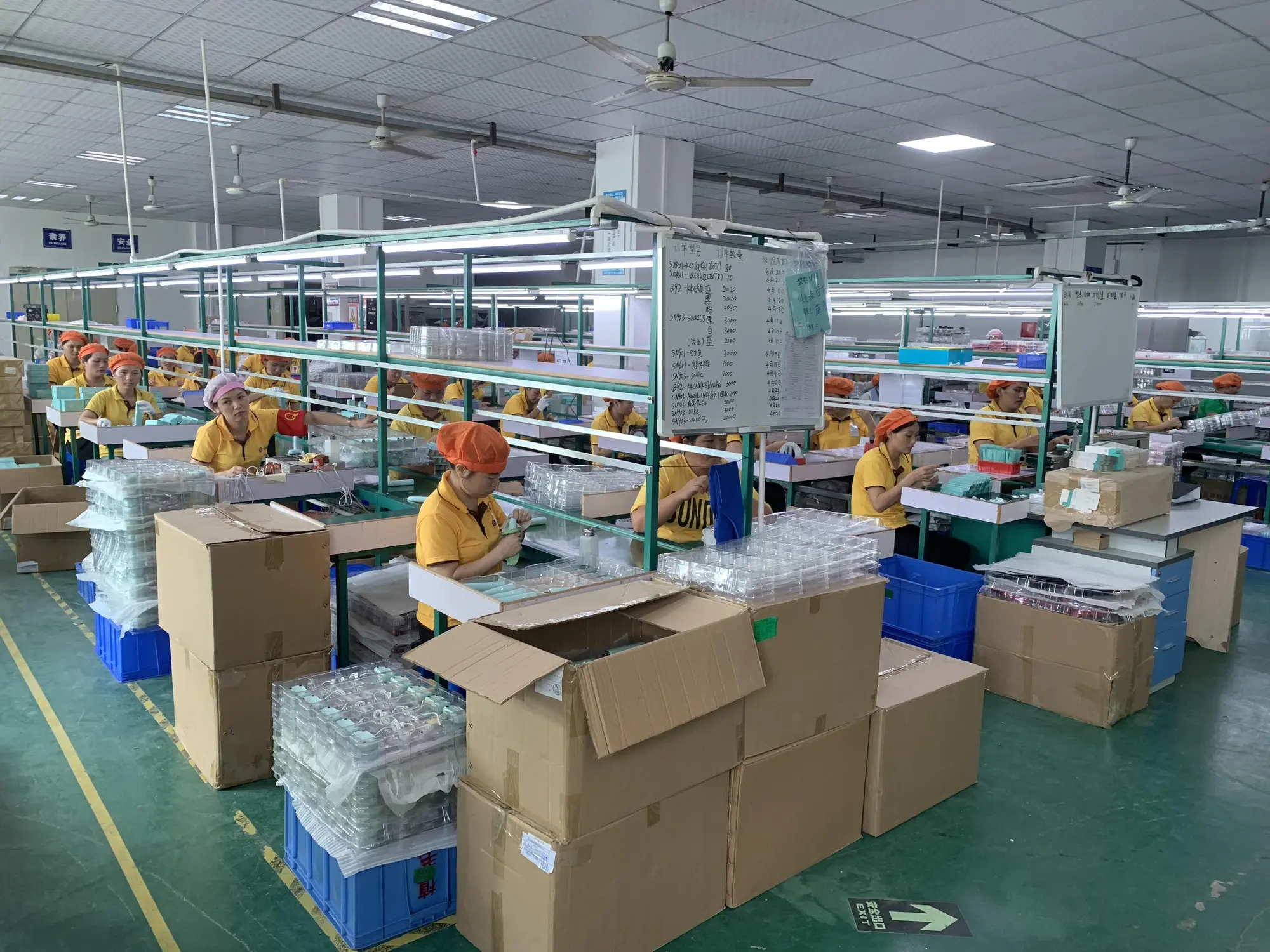
Automation is one part of the overall manufacturing system. Product design, component control, assembly requirements and inspection remain important to production consistency.
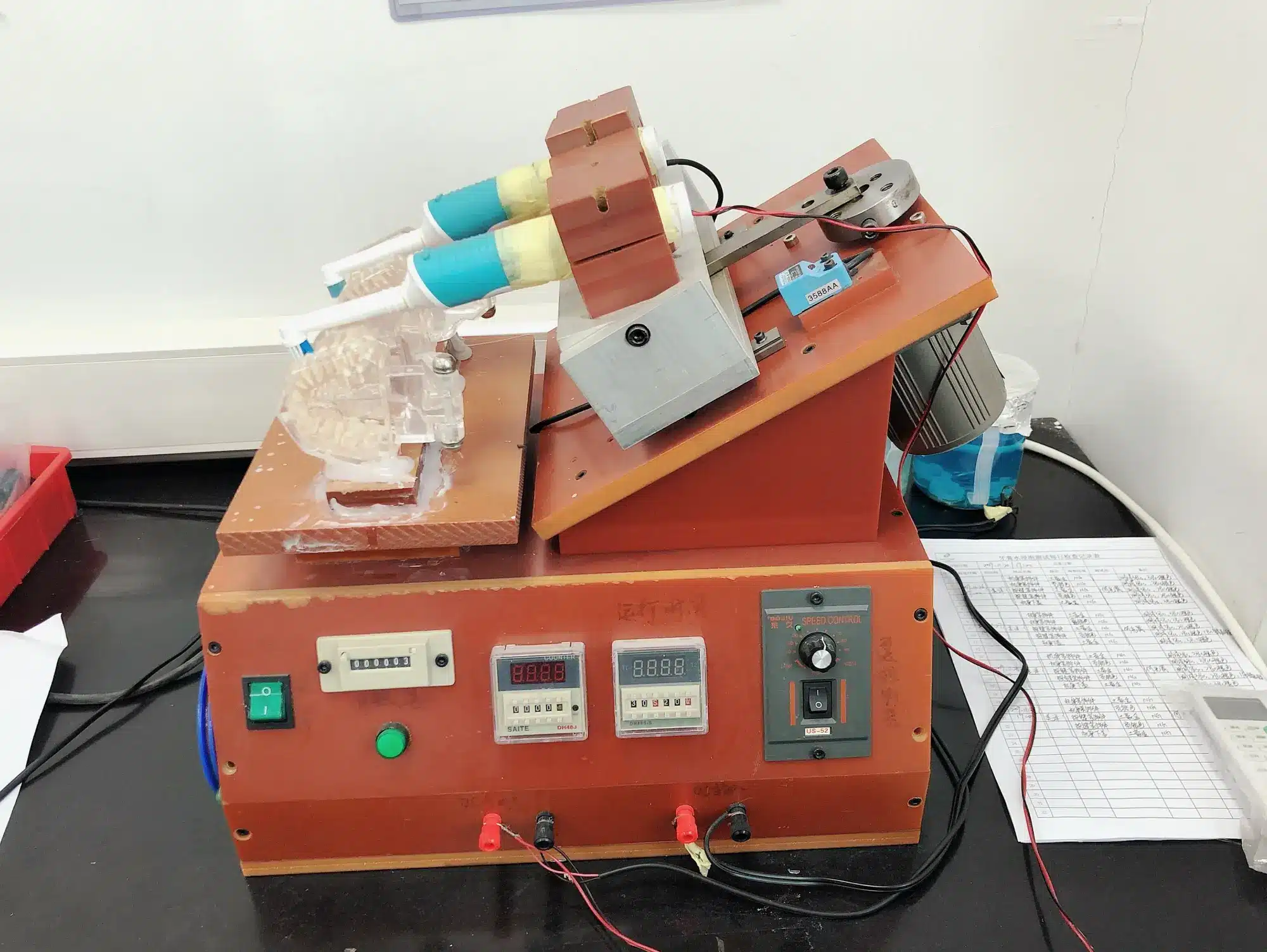
AileCare’s verified manufacturing and testing capabilities include:
Additional visual and packaging checks may be defined according to the confirmed product and order requirements. This page provides only a manufacturing-level overview. Detailed functional and reliability evaluation is covered on Product Testing & Reliability. Broader quality-system information is available under Quality.
AileCare supports two main routes for powered oral care projects.
Where an existing product platform already supports the required configuration, available customization may include, subject to platform confirmation:
This route can reduce the amount of structural development required when the requested configuration is already supported by the selected platform.
Projects requiring a differentiated product architecture may involve:
Changes involving the drive system, charging architecture or other major functional elements require project-specific engineering confirmation.
See Electric Toothbrush OEM / ODM for the broader development workflow.
The partner manufacturing base supports powered oral care projects through engineering and production capabilities spanning product development, tooling, molding, assembly, testing and packaging.
Electric Toothbrush Sets / Year
The manufacturing base was established in 2013 and covers more than 17,000+ m²’, with 530+ employees and a 50+ R&D team supporting R&D, engineering, injection molding, quality, tufting and assembly functions.
| New product development | 15-20 new product designs/year |
| Engineering | ID, electronic and structural design |
| Tooling | Mold development capability |
| Plastic production | Injection molding |
For broader factory capability, see Manufacturing Overview.
Related product and production information is available under Brush Head Manufacturing and Electric Toothbrushes.
Electric toothbrush manufacturing generally combines product engineering, tooling, injection molding, assembly, testing and packaging. The manufacturing base’s verified sequence includes ID, electronic and structural design, mold development, injection molding, laser marking, assembly, testing and packaging.
Yes. Mold development and injection molding are included in the manufacturing base’s verified capability set for powered oral care production.
Yes. Existing platforms can support confirmed customization options, while projects requiring a new product architecture may involve industrial, structural and electronic design together with new tooling.
Yes. Automated assembly capability and automated packaging capability are part of the manufacturing base’s verified capabilities. The applicable production configuration depends on the selected product and project.
Verified categories include motor testing, internal and assembly inspection, housing and assembly inspection, wear testing, brushing-related testing and noise testing. Detailed reliability information is covered separately on the Product Testing & Reliability page.