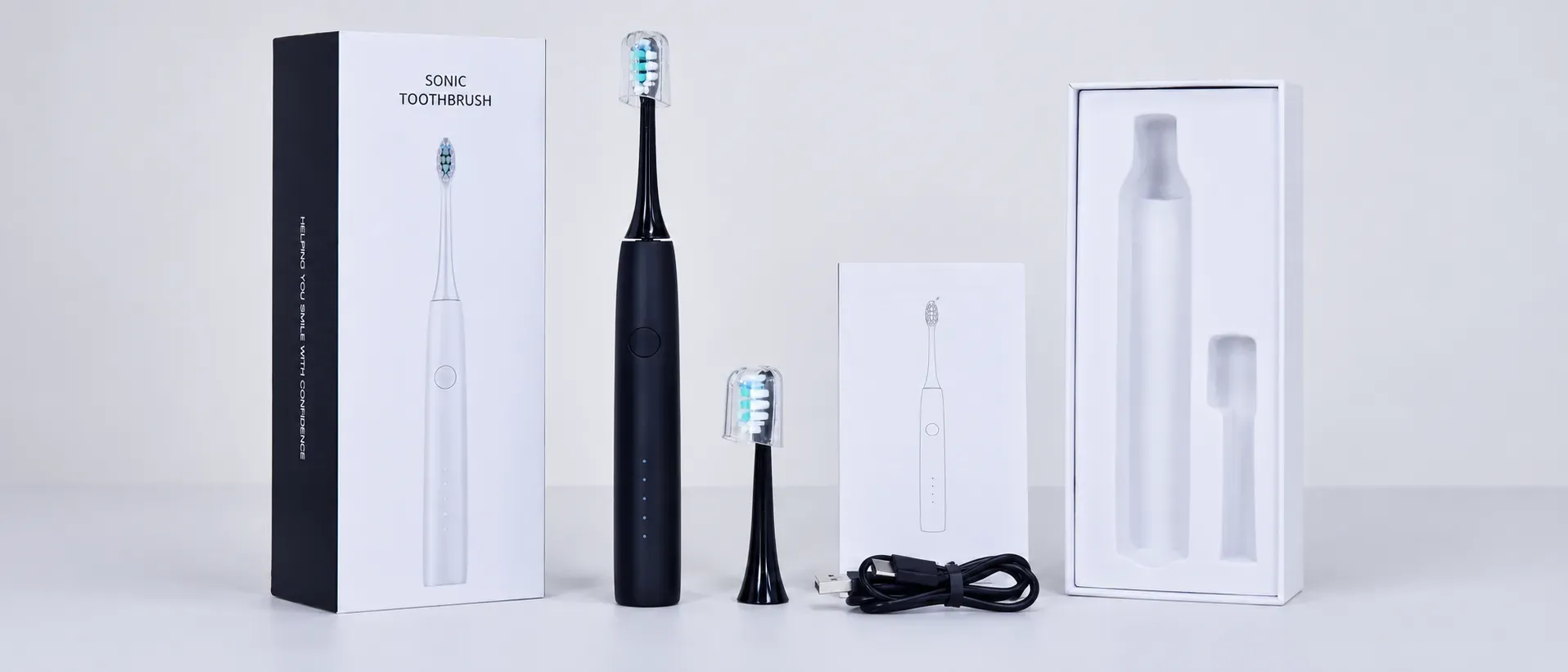
Start Your Electric Toothbrush Project
Tell us your product requirements and target market. We will review the details and reply with the relevant next steps.
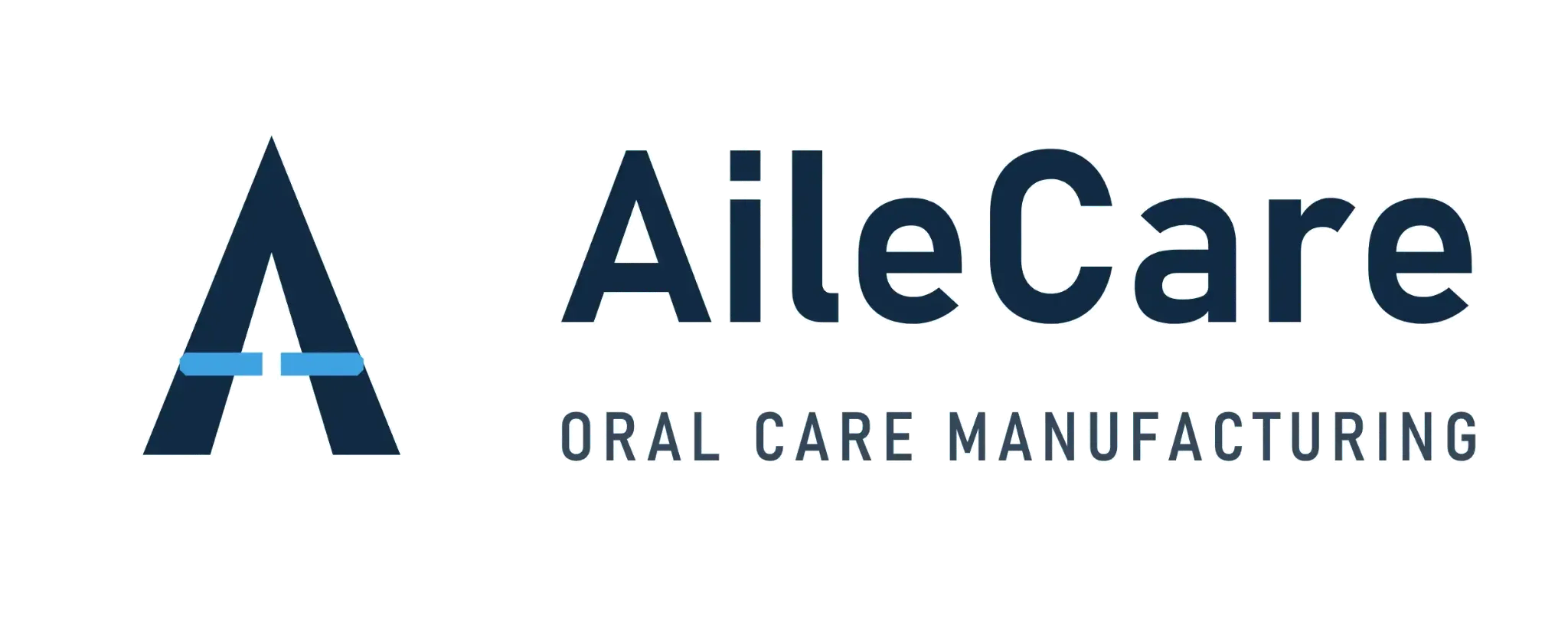
Most projects move through a common set of approval and production stages, but the exact route depends on the product platform, customization scope and validation requirements.
The sample is evaluated against the intended configuration, performance and target-market requirements.
Feedback is consolidated into one revision scope, and the agreed changes are confirmed by both sides.
Product, branding, packaging and acceptance requirements are locked into a single production reference.
Where required, the final configuration is verified once more before the production version is released.
Production proceeds against the confirmed product specification, approved references and agreed project requirements.
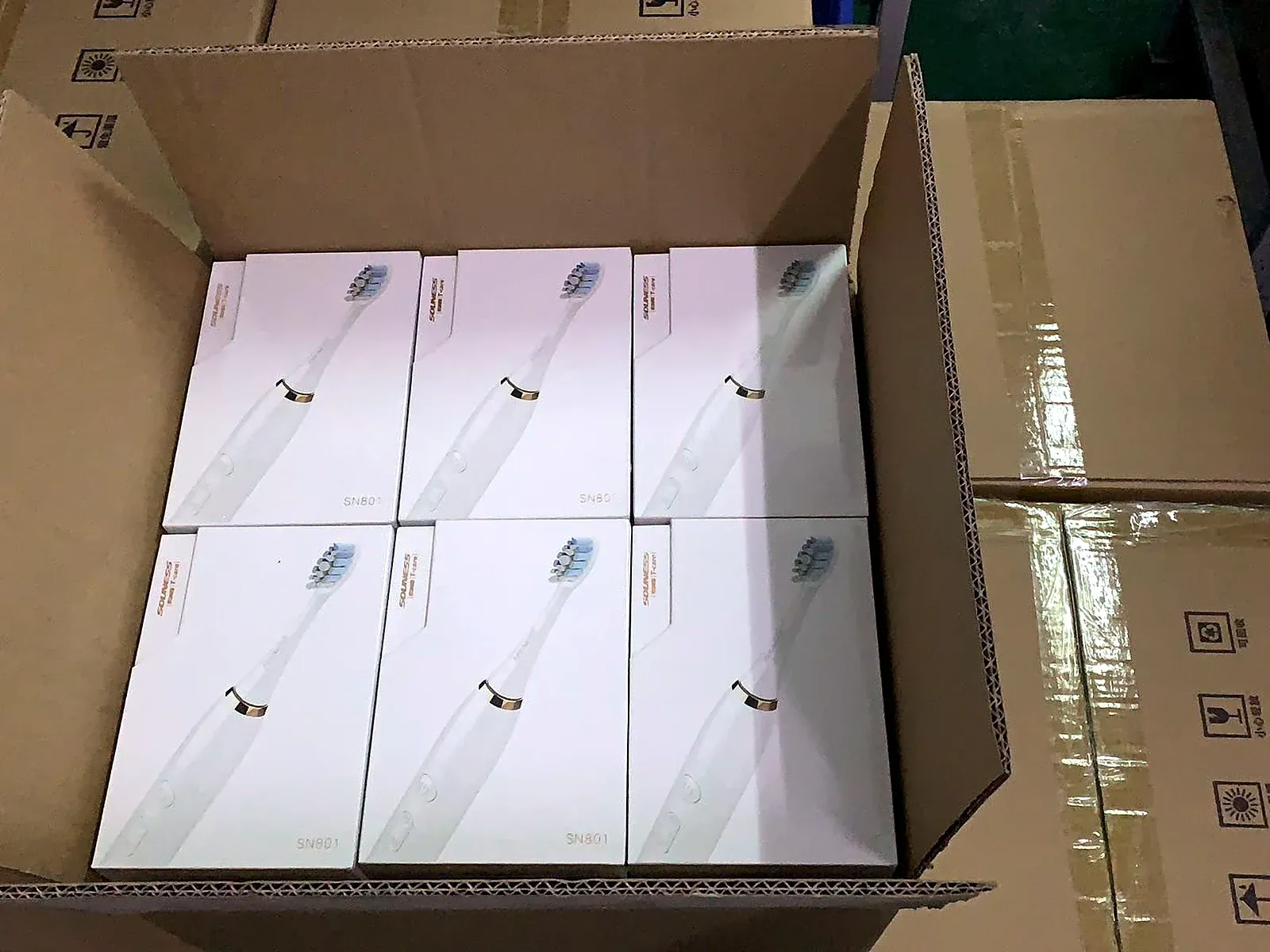
Finished goods are reviewed against the agreed inspection criteria before the order is released for shipment.
Quantity, labels, cartons and shipping documents are reconciled so the order can be handed over.
A pre-production sample or pilot stage may be added between approval and mass production where the product platform, tooling or validation scope requires it.
Sample review is the buyer’s main checkpoint before production definition. The clearer the review, the fewer open points remain when the specification is frozen.
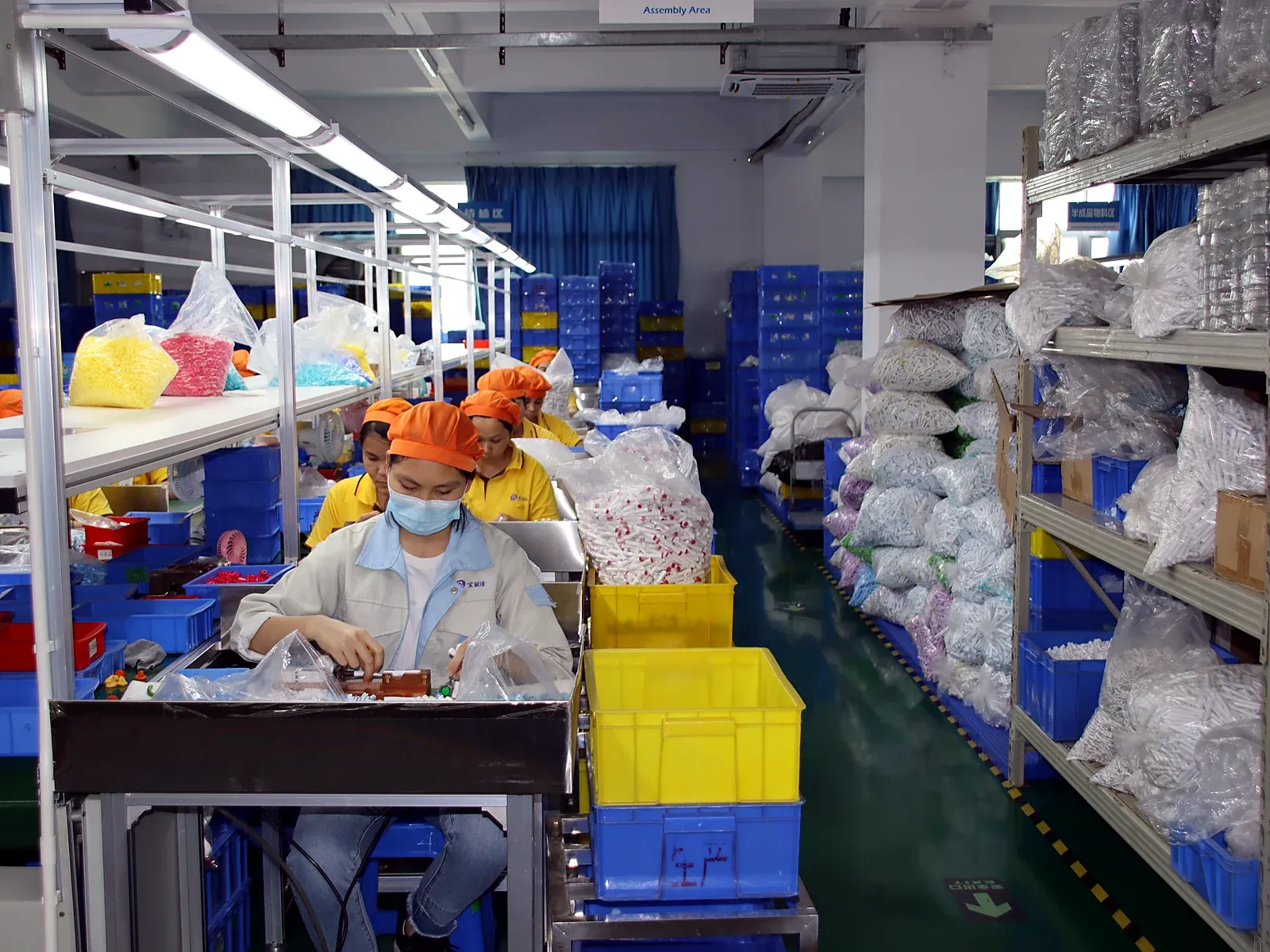
A current production model used to confirm baseline quality and configuration.
An existing platform with agreed branding, color or accessory changes applied.
A sample from a development project, used to review structure, function or tooling output.
A sample representing the intended production configuration, used where a project requires final verification.
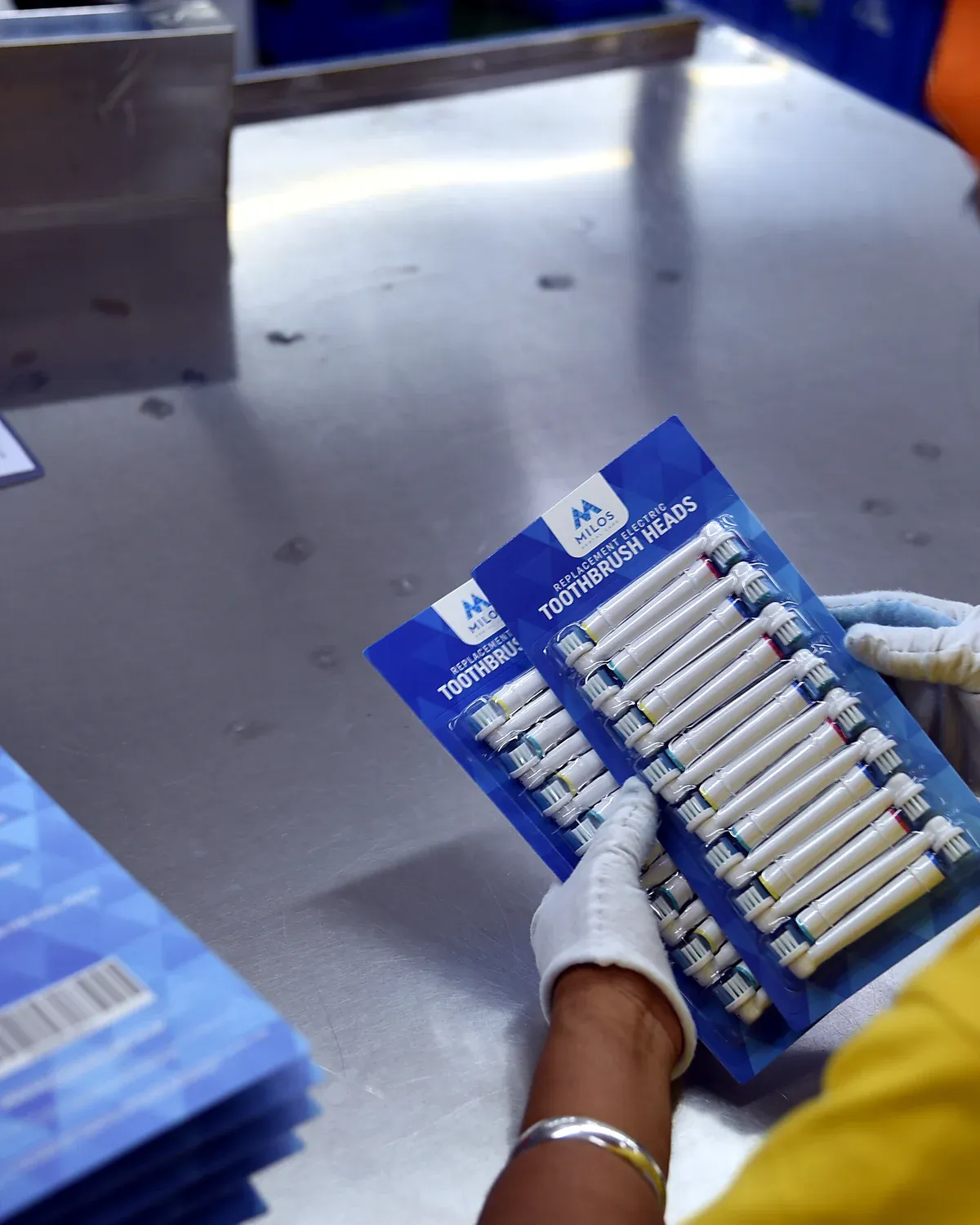
Not every project needs the same pre-production depth. The confirmation route follows the project type — an existing platform moves differently from a development project with engineering changes.
Branding and packaging are confirmed against the approved sample, and the project can move directly toward production release once the specification is frozen.
Where a project involves new tooling, materials or functional changes, a pre-production stage and additional validation may apply — confirmed per project, not assumed as fixed steps.
During production, the buyer-visible question is simple: is output still matching what was approved. Four checkpoints keep the confirmed configuration traceable from materials to finished goods. The full control system is documented on the quality control process and product testing & reliability pages.
Relevant materials and components may be reviewed against the confirmed project requirements before use.
Where applicable, early production output can be compared with the approved specification and reference sample.
Defined appearance, assembly, functional or packaging checks may be applied at agreed production stages.
Completed goods can be evaluated against the confirmed product configuration and agreed inspection requirements.
Before an order is released, the shipment is reconciled against everything that was agreed during the project. If you have specific inspection requirements, share them early so the inspection scope can be reviewed together with the production plan.
Final Verification Covers
Approved specification
Reference sample
Packaging requirements
Labels
Carton information
Quantity
Agreed inspection criteria
Product category / reference
Target market
Order quantity
Customization
Artwork
Packaging
Testing / documentation
Inspection requirements
Target launch timing
Customization scope, artwork approval rounds, pre-production requirements, testing or documentation for the target market, and order quantity can each influence the schedule. Sharing your target launch timing at the sampling stage allows the production plan to be built around it.
Common questions buyers ask when a project moves from sampling into production preparation.
A pre-production sample may be useful when a project involves new tooling, new materials, new components, new functional configurations or additional validation requirements. Its role is to represent the intended production configuration more closely before volume production. Straightforward existing-platform projects may not require this stage.
Changes can be raised, but they are handled as a formal revision. After production release, a change may affect prepared materials, packaging or scheduling, so it is reviewed and re-confirmed before being applied.
It depends on the customization scope. Private label projects on existing platforms often confirm within fewer rounds, while development projects may need additional rounds where structural, functional or tooling changes are involved.
Model and configuration, functional performance, color and finish, brush heads or accessories, charging configuration, logo and identification, packaging direction, and any target-market requirements that apply to your project.
The buyer approves the specification, reference sample and related materials. Production is then released against that confirmed reference, and the same reference is used for inspection.
Through incoming review of relevant materials, initial production confirmation where applicable, in-process checks at agreed stages, and finished-goods verification against the confirmed configuration.
Yes. Share your inspection criteria or third-party inspection plan early, so the scope can be reviewed together with the production plan and reflected in the shipment release step.
Product category or reference, target market, order quantity, customization scope, artwork and packaging status, testing or documentation needs, inspection requirements and target launch timing.
Send your product reference, target quantity and customization scope. We will map the confirmation route for your project and identify which stages apply before production release.