Start Your Electric Toothbrush Project
Tell us your product requirements and target market. We will review the details and reply with the relevant next steps.
AileCare supports electric toothbrush and powered oral-care product-development projects from defined product requirements through engineering review, tooling preparation and trial-part review.
Project scope depends on the product definition, technical requirements and intended development path.
A project may begin from a product concept, reference product, drawing or CAD file if available, physical sample, or a defined set of required functions, target-market requirements and project objectives.
Not every project requires every engineering discipline. The product definition determines the relevant engineering scope.
Depending on the project, this may include product type and functions, appearance and structure, component interfaces, electronics and charging, motion system, brush-head system, materials and target-market considerations. Engineering Capability →
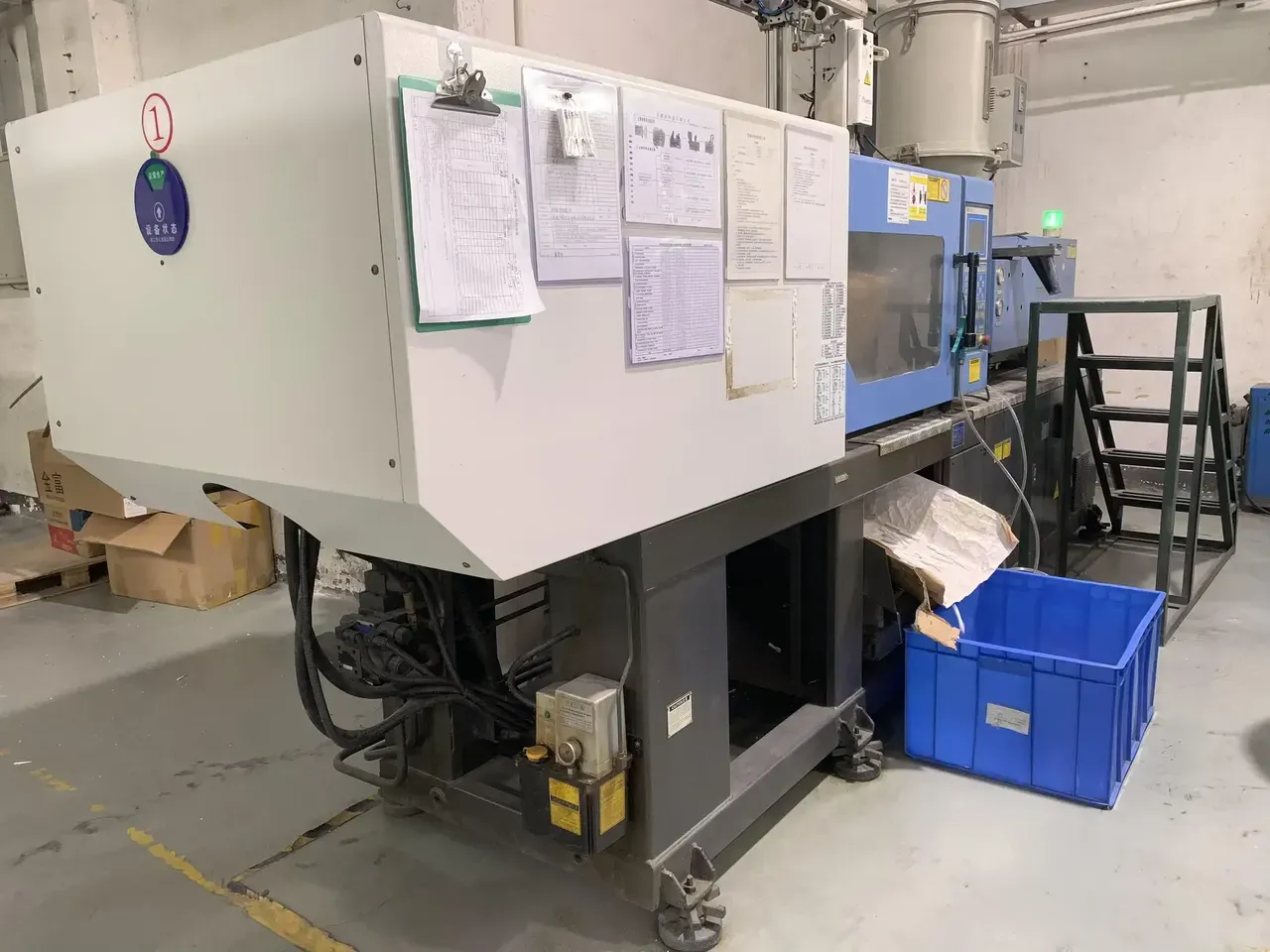
Before tooling begins, the product design is reviewed for manufacturability, assembly, material and process compatibility, and tooling feasibility.
The review considers product structure, part interfaces and the intended manufacturing approach, helping identify features that may affect tooling development, trial parts or later production preparation.
Tooling preparation should follow a reviewed and sufficiently defined product specification.
Concept or reference, functions, target market, appearance, expected quantity and project scope.
Structure, interfaces, assembly, materials and manufacturability are reviewed according to the project.
Core product requirements are sufficiently defined before tooling development proceeds.
Tooling is prepared and trial parts are reviewed against the agreed product requirements.
Reviewed tooling outputs provide the basis for the next sampling and production-preparation stage.
Product development defines and reviews the product. Tooling translates the sufficiently defined product structure into the molds and production-support tools required to make parts repeatedly.
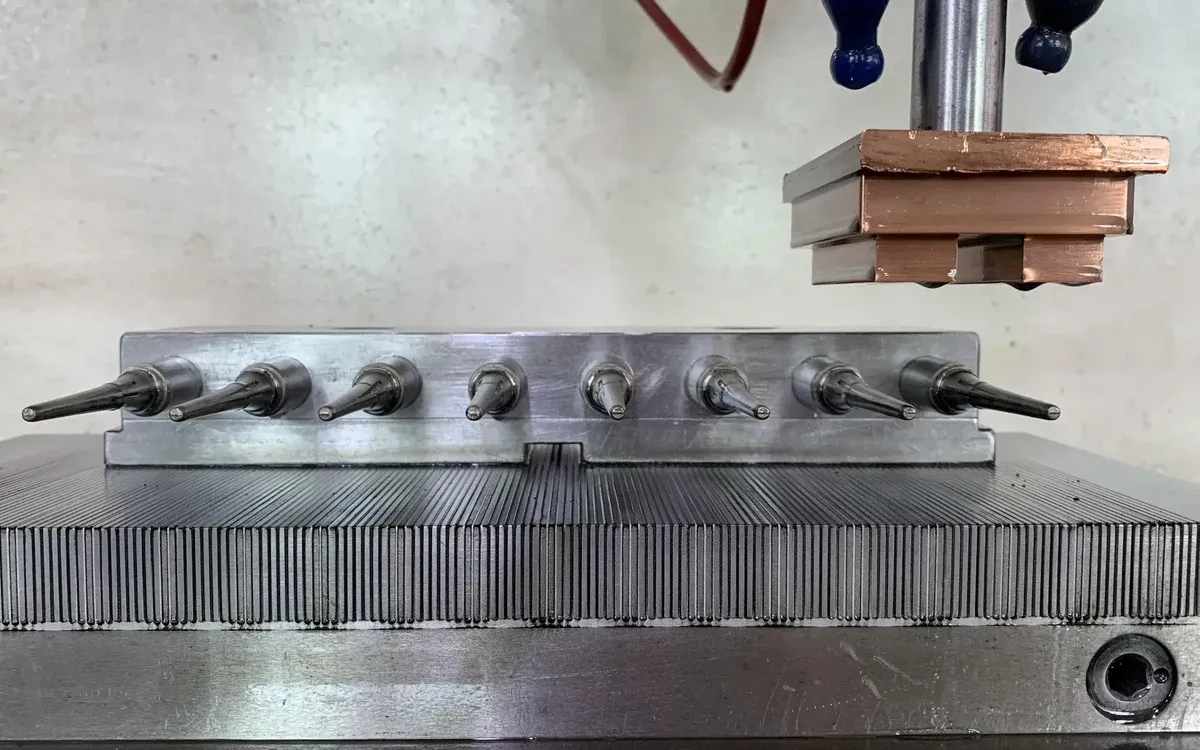
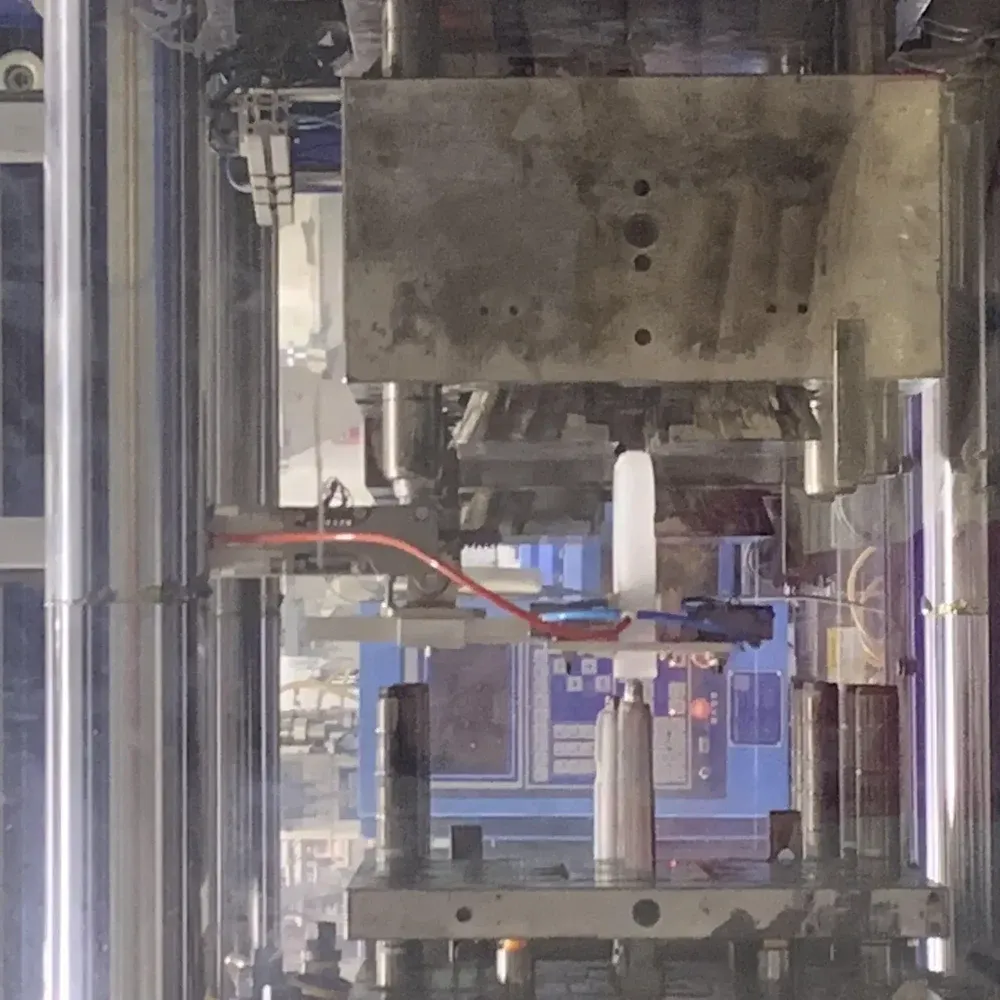
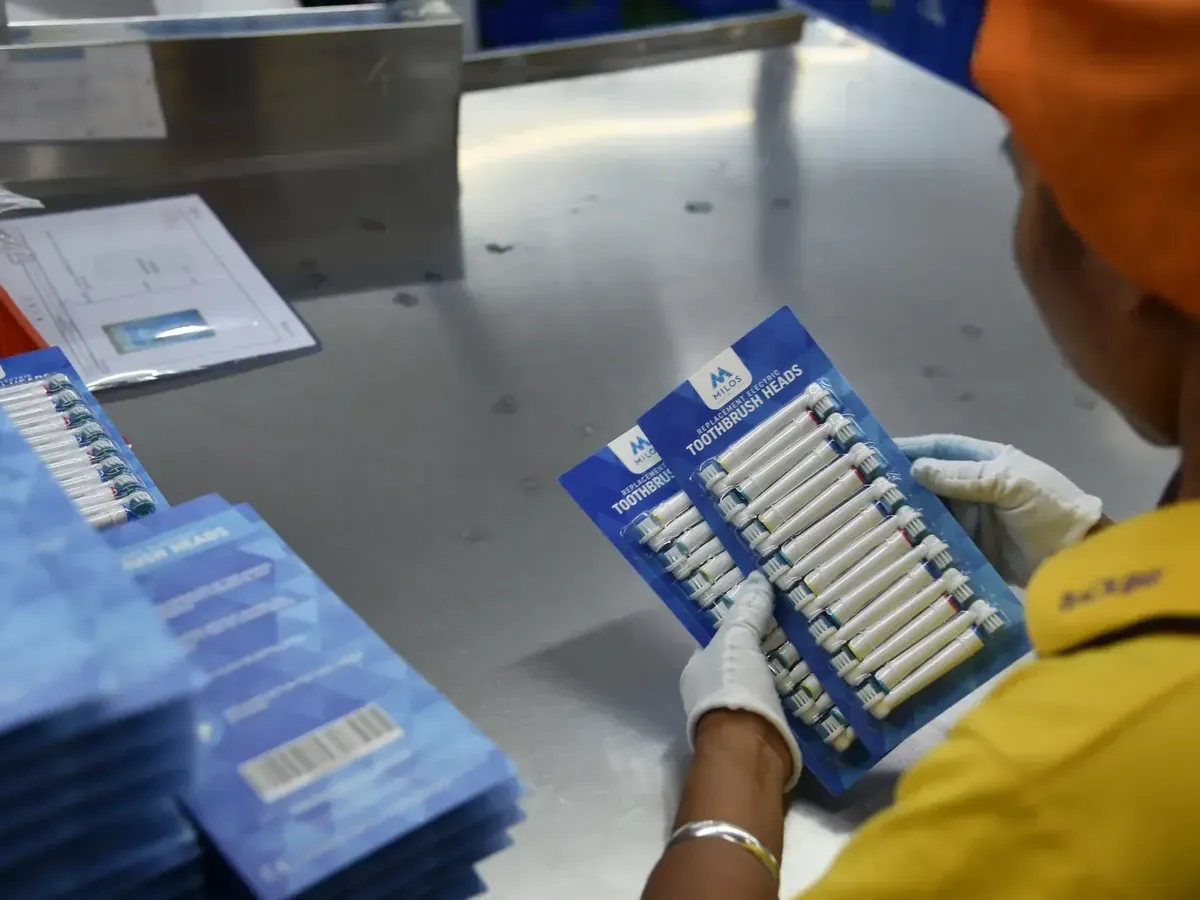
Existing-product modifications such as selected appearance, color, accessory, brush-head or function changes are handled through Product Customization. When a requested change affects product structure, interfaces or new parts, deeper engineering and tooling review may be required. Product Customization →
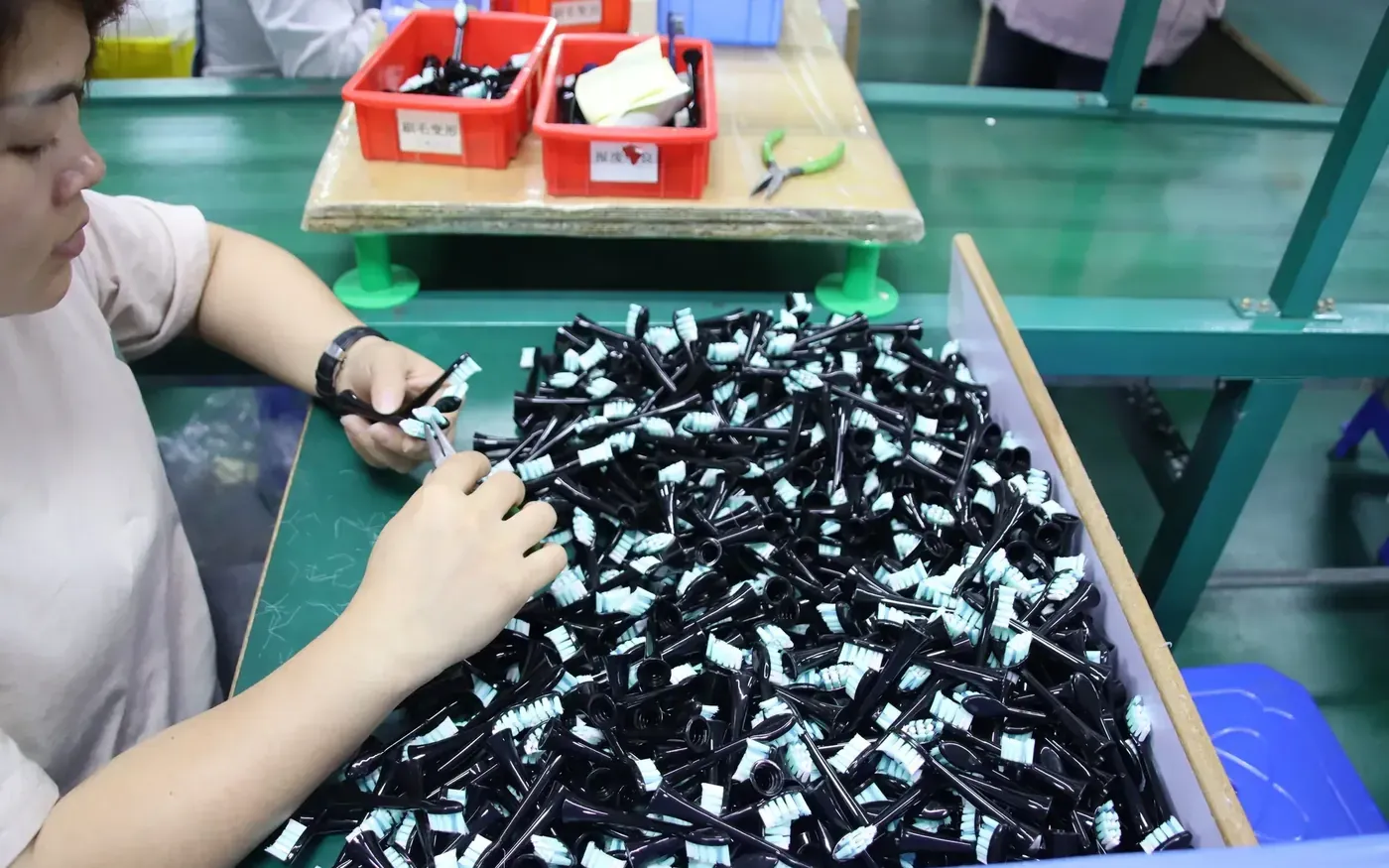
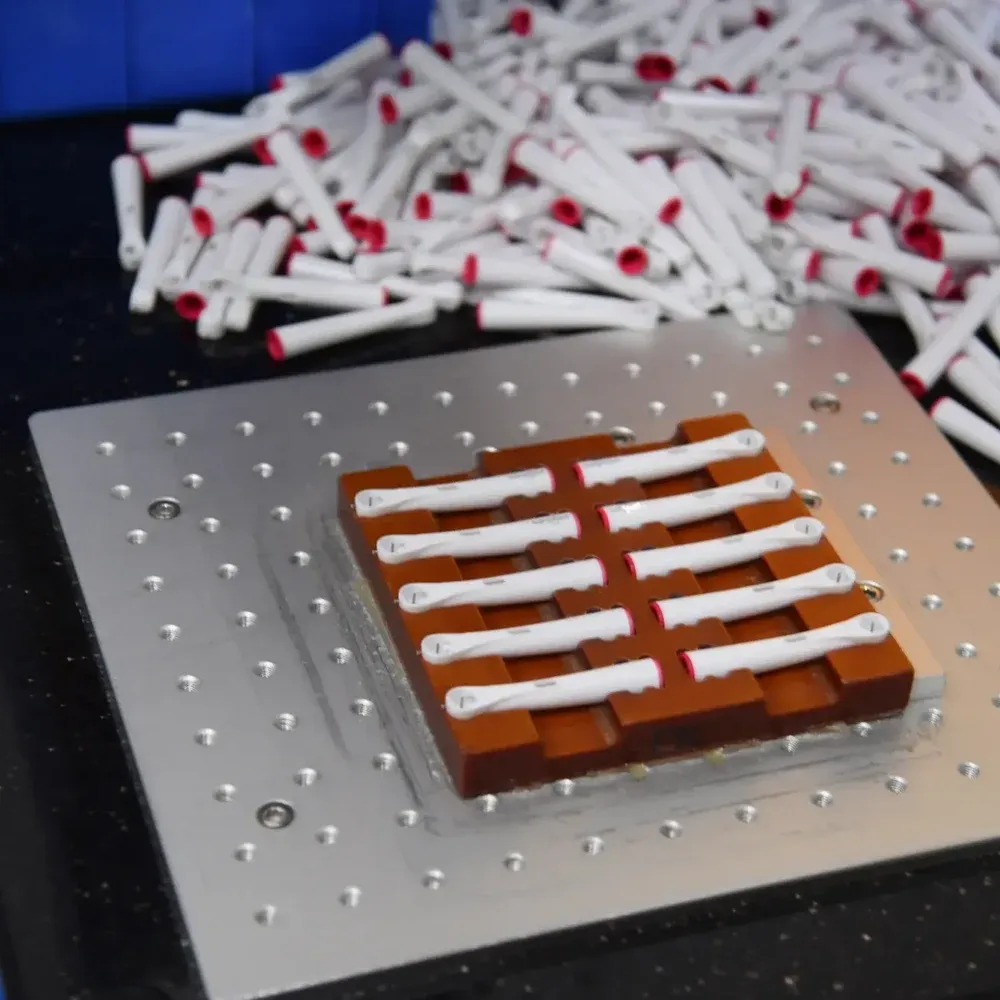
After tooling preparation, trial parts can be reviewed against agreed project requirements such as fit, assembly, appearance, function, interfaces and other project-specific criteria.
Once tooling outputs and trial parts have been reviewed against the agreed project requirements, the project can move into sample confirmation and production-preparation activities.
Approved product definitions and tooling outputs also provide the basis for later manufacturing stages.
If you are still deciding between an existing platform, OEM, ODM or private-label route, begin with the Electric Toothbrush OEM/ODM overview.
| No. | Information | Details |
|---|---|---|
| 01 | Product Type / Scope | Product type and project scope |
| 02 | Concept / Reference | Product concept, reference product, drawing or sample |
| 03 | Required Functions | Required functions |
| 04 | Target Market | Target market / country or region |
| 05 | Expected Quantity | Expected quantity |
| 06 | Appearance / Size | Appearance or size requirements, if defined |
| 07 | Battery / Charging / Motion | Battery, charging or motion requirements, if relevant |
| 08 | Packaging / Documentation | Packaging or documentation requirements, if known |
| 09 | Target Cost / Timing | Target Cost or timing constraints, if already defined |
Explore related pages for engineering, customization, sampling and OEM/ODM manufacturing support across the development process.
Not always. Many projects start on an existing platform, where color, logo, packaging and selected functions can be changed without new molds. New tooling is usually considered only when the handle shape, internal structure or brush-head interface has to change, and the requirement is confirmed after we review your product brief.
A public mold is an existing housing design that other brands may also use, which keeps cost and development time lower. A private mold is tooling developed for your own design, giving you a distinct product appearance but requiring tooling investment and a longer development path.
Tooling ownership, usage rights and storage terms are agreed in writing before tooling starts. We recommend confirming these points at quotation stage rather than after samples are approved.
It depends on part complexity, the number of design revisions and trial-mold results, so timelines are confirmed after design review rather than quoted in advance. Projects that stay on an existing platform move considerably faster.
A short product brief: target market and sales channel, target retail price range, the features you want to keep or change, reference products, and expected order quantity. Physical reference samples make the early feasibility review much faster.
Send your product concept or reference, required functions, target market, expected quantity and any other defined technical or project requirements.